
Key takeaways:
- Central Azucarera Don Pedro (CADPI), the Philippines’ second-largest sugar manufacturer, has permanently shut down, signifying a significant blow to the industry
- The company cited “increased sugar importation” and a “challenging business environment” as the primary reasons for closure. These factors include rising production costs and competition from cheaper imported sugar
- The closure has immediate and potential long-term consequences, including job losses for workers and farmers, reduced competition in the refined sugar market, and concerns about the future of the Philippine sugar industry
- The Philippine sugar industry faces long-standing challenges, such as declining production and exports, attributed to factors like land reform programs, increased competition, and rising costs
- The future of the industry remains uncertain, and addressing underlying challenges and seeking sustainable solutions are crucial for its long-term viability
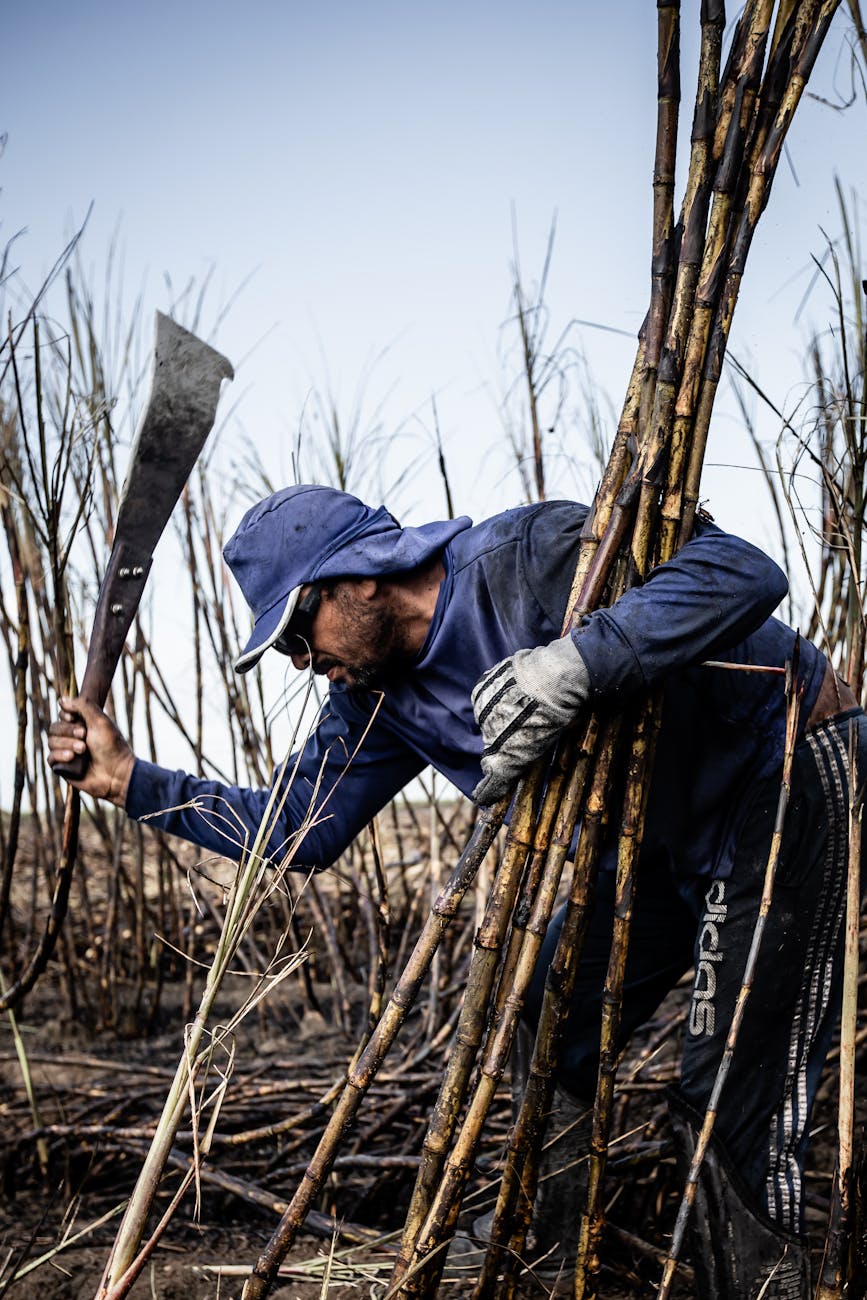
The Philippine sugar industry is facing a bitter harvest. Central Azucarera Don Pedro (CADPI), a Batangas-based company that has been synonymous with sugar production in the Philippines for nearly a century, has shut down its doors permanently.
Established in 1927, CADPI was once the country’s second-largest raw sugar manufacturer and its biggest producer of refined sugar. The closure, announced on Feb. 28, and taking effect on March 29, has sent shockwaves through the industry, impacting thousands of workers and raising concerns about the future of sugar production in the Philippines.
Reasons for closure
The 97-year-old company cited “increased sugar importation” and a “challenging business environment” as the primary reasons for its closure. According to a May 2023 statement from Roxas Holdings Incorporated (RHI), CADPI’s parent company, the government’s decision to import 440,000 metric tons of refined sugar in February 2023, on top of the 150,000 MT imported in the previous crop year, dealt a “heavy blow” to the company’s operations.
This influx of imported sugar, combined with rising raw sugar feedstock and fuel costs, eroded CADPI’s profit margins, making it difficult for the company to compete effectively.
Historical context and industry outlook
The closure of CADPI highlights the long-standing challenges faced by the Philippine sugar industry. Over the past decades, the Philippines has seen a significant decline in both sugar production and exports.
This decline can be attributed to factors like land reform programs that fragmented large sugar farms, making it difficult to achieve economies of scale, and increased competition from other sugar-producing countries like Thailand, which boasts higher productivity and lower production costs due to factors like economies of scale, government support, and advanced technology, according to a Rappler article published on March 1.
Moreover, the government’s policy of importing significant amounts of refined sugar, driven by a desire to stabilize prices for consumers, has created an unfair playing field for domestic refineries. Imported sugar often comes at lower prices due to factors like economies of scale in other countries and government subsidies.
Other significant challenges impacting the industry’s competitiveness and sustainability include:
- Rising Production Costs: Sugar refineries in the Philippines face higher costs for raw sugar feedstock and fuel compared to their international competitors. This can be attributed to factors like fragmented land ownership, lower productivity, and reliance on imported fuels.
- Outdated Infrastructure: Some Filipino sugar refineries utilize aging infrastructure, leading to inefficiencies and higher operating costs compared to modern facilities in other countries.
Looking ahead, the future of the Philippine sugar industry remains uncertain. The government has implemented various initiatives aimed at revitalizing the sector, such as providing financial assistance to farmers and investing in research and development to improve productivity.
While the government prioritizes consumer price stability, there are discussions on adjusting tariffs on imported sugar to create a more level playing field for domestic producers.
The Philippines has committed to a final ten-year Minimum Access Volume (MAV) of raw sugar with specific tariff rates for importation. The country has maintained tariff rate quotas on sugar, with varying in-quota and out-quota rates set by Executive Orders
Meanwhile, the Sugarcane Industry Development Act of 2015 focuses on enhancing productivity, product diversification, job generation, and increasing efficiency of sugar mills through various programs like the Block Farm Program and Farm Support Program.
However, the effectiveness of these initiatives is debatable. While they can offer some support, long-term solutions require addressing systemic issues like fragmented land ownership, improving productivity through technology and infrastructure upgrades, and ensuring fair competition in the global market. Additionally, achieving a balance between consumer price stability and the viability of the domestic sugar industry remains a crucial challenge.
Impact of closure
The closure of CADPI has immediate and potentially long-term consequences for various stakeholders in the industry:
- Job Losses: Hundreds of employees, from factory workers to administrative staff, are now facing unemployment. The closure also affects the livelihoods of thousands of sugarcane planters who relied on CADPI to purchase their produce.
- Impact on Sugarcane Farmers: The Sugarfolks’ Unity for Genuine Agriculture Reform-Batangas, a farmers’ group, expressed concerns that the closure would leave 4,584 sugarcane planters in Batangas without a buyer for their crops, impacting their income and livelihoods, reports Rappler.
- Wider Industry Implications: The loss of CADPI’s refining capacity, particularly in Luzon, could potentially lead to reduced competition and price fluctuations in the refined sugar market. Additionally, the closure raises questions about the long-term viability of the Philippine sugar industry if domestic producers continue to struggle against cheaper imported alternatives.
The closure of CADPI marks a significant turning point for the Philippine sugar industry. It serves as a stark reminder of the challenges the industry faces and raises crucial questions about its future.
As stakeholders grapple with the immediate consequences of this closure, addressing the underlying issues and seeking sustainable solutions will be key to ensuring the Philippine sugar industry’s long-term viability.Ⓒ




Leave a Reply