
Key takeaways:
- Philippines investing over ₱100 million in bamboo industry in 2024
- Department of Agriculture leading initiative due to global demand for engineered bamboo
- Funding details still being finalized; majority likely from the Department of Agriculture
- Philippine Bamboo Industry Development Council facing operational challenges as an unfunded agency
- Optimism for the passage of the Philippine Bamboo Industry Development Act to extend the council’s mandate and allocate a significant budget
The Philippines is set to invest more than ₱100 million in developing its bamboo industry and showcasing innovations in bamboo architecture, despite budget challenges. The Department of Agriculture (DA) is leading the initiative, recognizing the global demand for engineered bamboo in construction.
DA undersecretary Deogracias Victor Savellano highlighted the urgency, saying, “Engineered bamboo production is a multi-billion-dollar global industry now… and we want the Philippines to take advantage of this growing demand. The export potential for this is huge and we cannot waste time.”
Savellano revealed that funding details are still being finalized, with the DA likely to provide the majority. Despite budget constraints, the Philippine Bamboo Industry Development Council (PBIDC) remains committed to its mission, facing operational challenges as an unfunded agency.
Savellano, also the PBIDC vice chairman, expressed determination, saying, “We keep going because we really want to take our world-class bamboo products to the global market.”
PBIDC, attached to the Department of Trade and Industry, is working on consolidating budgets to implement its 2024 program.
Executive Director Rene Butch Madarang is optimistic about the proposed Philippine Bamboo Industry Development Act, expecting it to pass this year. The bill is expected to establish the country’s competitive edge in the natural bamboo market, particularly in the areas of transport, construction, furniture, and manufacturing. If passed into law, it would extend the council’s mandate and allocate a significant budget for operations.
Madarang stated, “As we await the law’s passage… which will allocate funds for our operations and harmonize all activities of different government agencies on bamboo, the PBIDC is already drafting a master plan for the sector.”
Critical to the plan is the inventory mapping of bamboo plantations, especially with private companies investing in bamboo product manufacturing. Madarang stressed the need for coordinated efforts, anticipating an expanded role and increased financial support for the council.
“The PBIDC is readying itself for a more comprehensive approach to bamboo development, aligning with potential legislative support,” he emphasized.
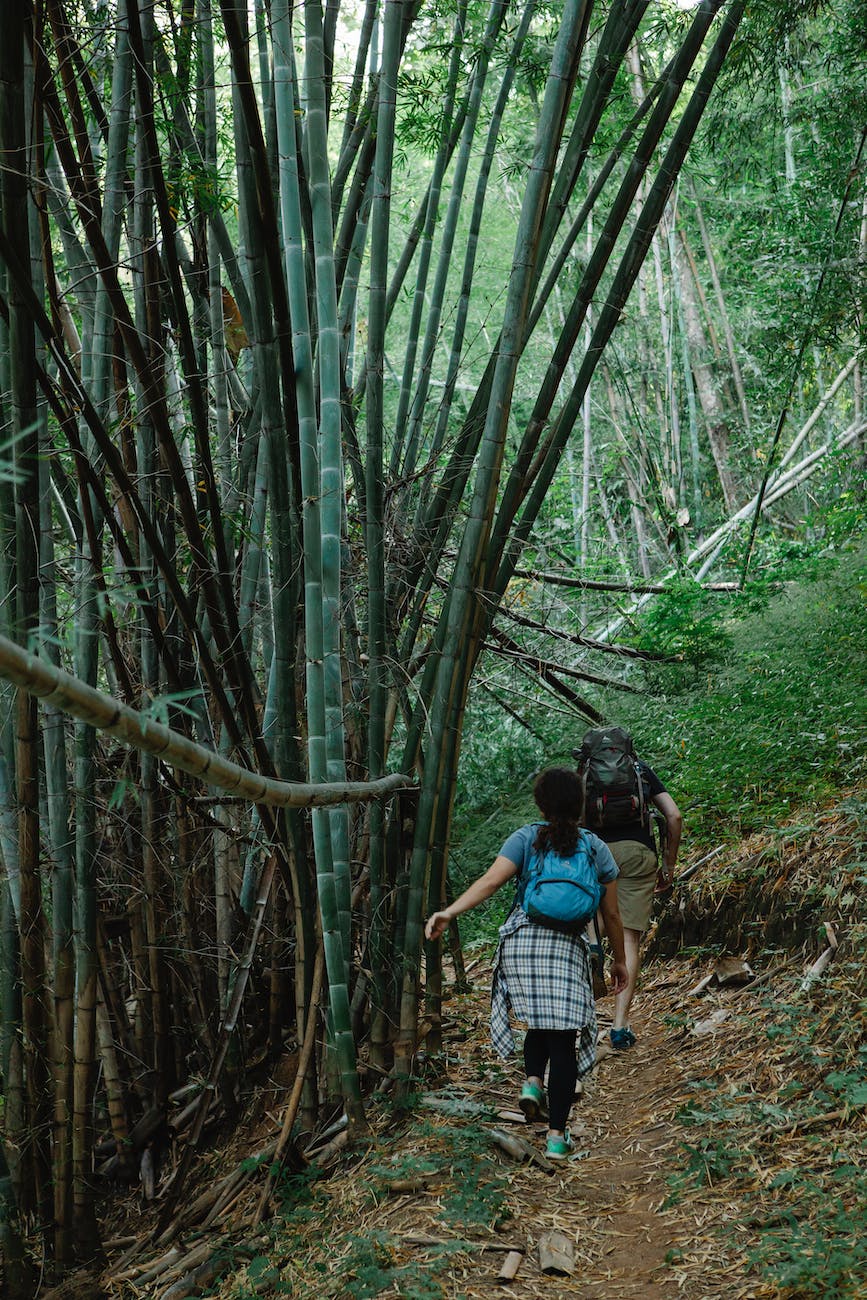
The Philippine Council for Agriculture, Aquatic and Natural Resources Research and Development’s website, states that the Philippines is sixth among the largest exporters of bamboo in the world, and the total area of bamboo stands in the country ranges from 39,000-53,000 hectares, mainly naturally growing sporadically or in patches in backyards and riverbanks in forest lands.
The government’s proactive stance aims to position the Philippines as a key player in the global market for engineered bamboo. Officials are navigating budget challenges to usher in a new era for the country’s bamboo industry, eyeing potential economic benefits.◼




Leave a Reply