
Key takeaways:
- NNIC has taken over the management of NAIA and is implementing significant improvements.
- The airport is undergoing renovations and upgrades to improve passenger experience and operational efficiency.
- NNIC is focused on addressing congestion, improving internet connectivity, and enhancing security measures.
- The company is investing in infrastructure development, including expanding parking areas and upgrading road networks.
- NNIC aims to provide a more comfortable and seamless travel experience for all passengers.
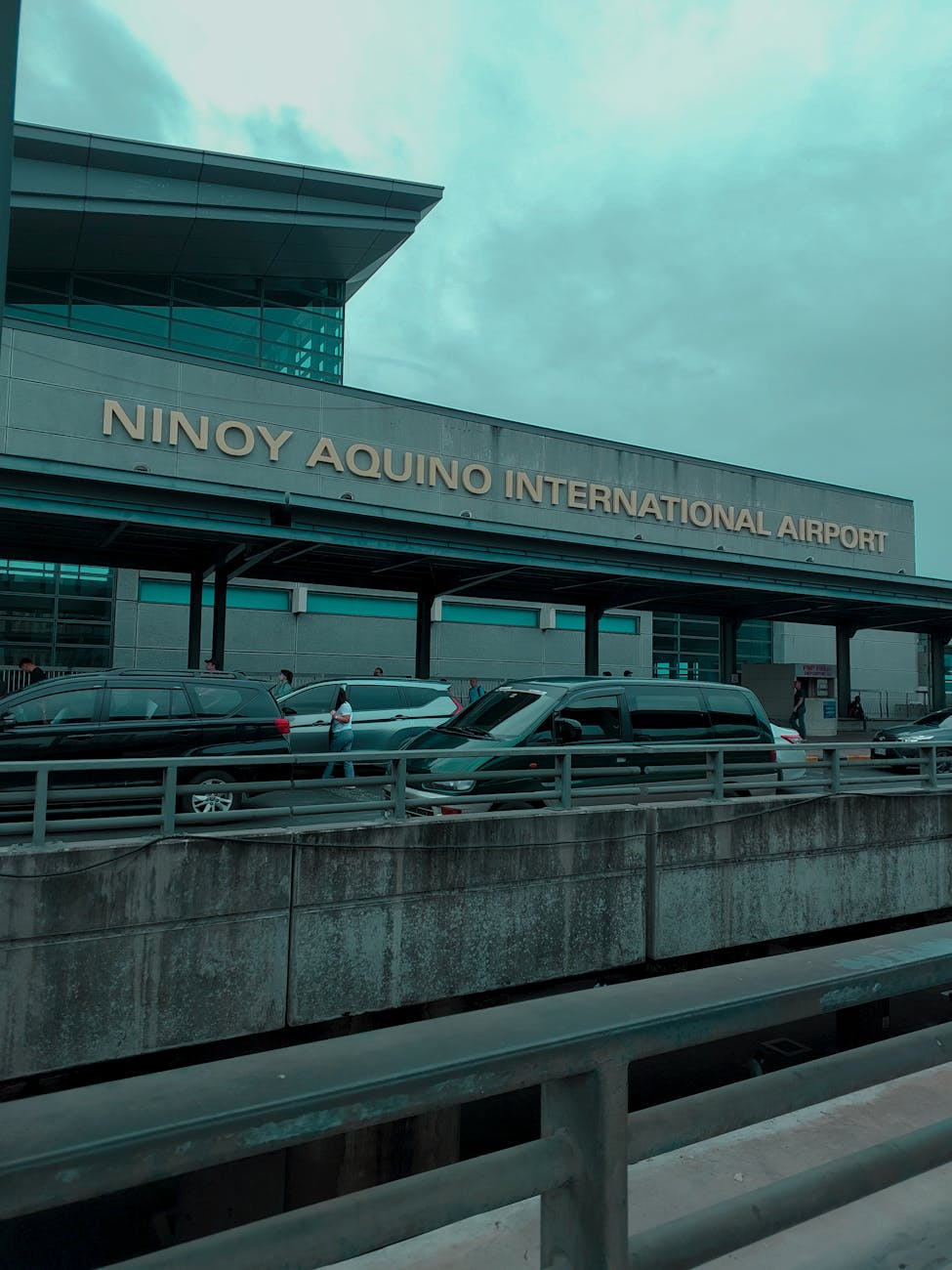
New NAIA Infra Corp. (NNIC) has begun significant improvements at Ninoy Aquino International Airport (NAIA), just two months after taking over management.
With the holiday travel season approaching, NNIC aims to enhance the passenger experience and ease congestion at the airport.
NNIC President Ramon S. Ang explained that NAIA has been operating beyond its intended capacity of 35 million passengers per year, currently serving around 45 million and expecting to exceed 50 million this year.
“Over the years, this has taken a huge toll on the already aging facilities and equipment at NAIA,” Ang said, emphasizing that the focus is on ensuring reliable operations while addressing congestion and improving efficiency.
The operator has already started several airside improvements. Renovations of Terminal 4, the oldest terminal, began on November 6.
NNIC has also reopened six passenger boarding bridges designed for wide-body aircraft and converted two existing bridges at Terminal 3 into “swing gates” for both domestic and international flights.
Additionally, a new explosive detection system is set to replace the current 20-year-old system, with installation scheduled for early 2025.
To improve passenger processing, the Bureau of Immigration is implementing a “fly-to-gate” biometric system.
Internet connectivity at NAIA has also seen enhancements, with average speeds now reaching 50-60 Mbps, allowing free access for three hours without requiring personal information.
On the landside, NNIC has increased parking availability by freeing up about 1,800 slots, which helps improve traffic flow.
Ongoing road network upgrades include expanding roads and adding new toll exits from the NAIA Expressway for better accessibility.
Curbside enhancements are also underway to reduce congestion and improve convenience for passengers.
In July, NNIC opened a new Overseas Filipino Workers’ lounge at Terminal 3, featuring ample seating and free Wi-Fi.
To ensure reliable power supply, NNIC partnered with Meralco to install a dedicated substation and is also implementing a backup power system for Terminal 3.
NNIC made a substantial upfront payment of P30 billion to the government as part of its concession agreement and has begun regular annuity payments.
The company has invested P420 million to support employees during this transition period.
Ang acknowledged that while challenges remain, he is optimistic about the progress made so far.
“It has only been two months since we assumed management of NAIA… We’re moving as fast as we can to address both immediate and major issues,” he said.
To enhance transparency, NNIC launched an initiative providing real-time updates on flight and baggage delays through the airport’s public address system. This effort aims to reduce passenger anxiety and improve communication.As NNIC continues its modernization efforts, travelers can expect a better experience at NAIA in the coming months.Ⓒ



 Business Bayani PH
Leave a comment