
Key takeaways:
- Philippine exporters face a 32% hike in storage fees by the Philippine Ports Authority (PPA)
- PHILEXPORT criticizes the increase, fearing it will hurt export competitiveness and potentially raise consumer prices
- The PPA argues the fee hike is needed to decongest ports and optimize storage space
- Exporters are exploring alternatives like negotiating with s’hipping lines or using off-dock storage facilities
- Negotiations between PHILEXPORT and PPA are ongoing to find a solution
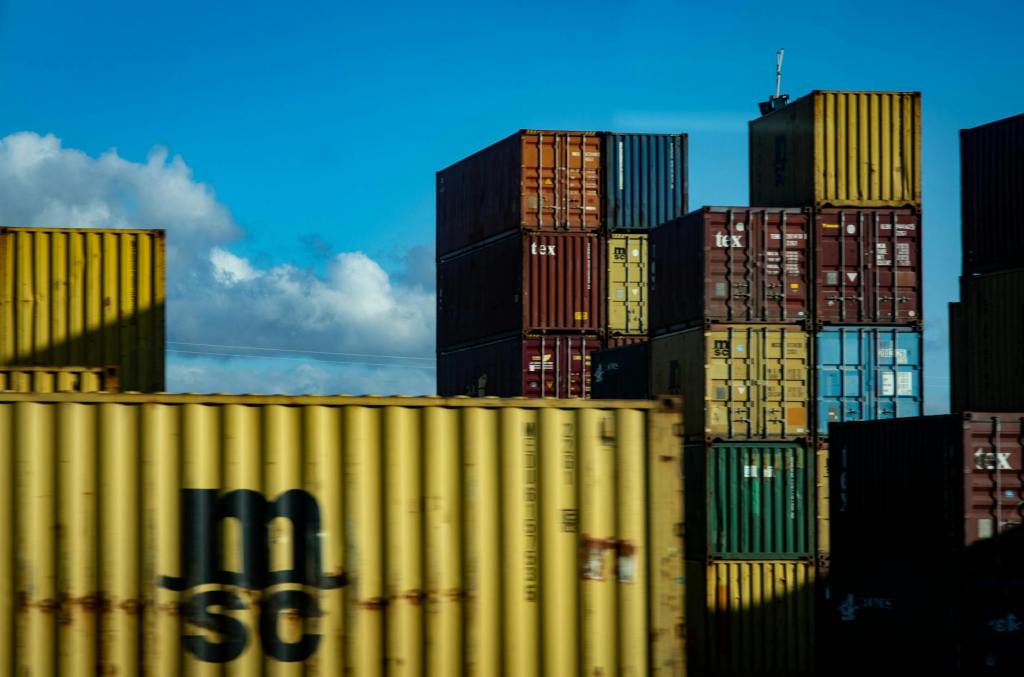
Philippine exporters are facing a potential financial squeeze as the Philippine Exporters Confederation (PHILEXPORT) remains locked in a dispute with the Philippine Ports Authority (PPA) over a recent 32% hike in storage fees for foreign container cargo.
Implemented in January 2024, the increase has sparked concerns about its impact on the competitiveness of Philippine exports and the potential for delays, with businesses scrambling to find ways to mitigate the additional cost burden.
PHILEXPORT’s opposition and industry concerns
PHILEXPORT, the umbrella organization representing Philippine exporters, has been vocal in its opposition to the fee hike. “We are still protesting against it,” said PHILEXPORT President Sergio R. Ortiz-Luis, Jr. in a recent statement. “The problem is, every time there is a problem in the ports, they increase the rates.”
Exporters worry that the increased storage fees will eat into their profit margins, potentially leading to higher export prices for consumers. A key concern is whether they can pass on these additional costs to international buyers in a competitive global market.
PPA’s justification and goal
The PPA, the government agency responsible for managing Philippine ports, argues that the fee increase is necessary to optimize container yard space and encourage the faster withdrawal of containers. They claim that storage charges have not been adjusted since 2014, and congestion at terminals due to containers exceeding the free storage period is a persistent issue.
PPA explained that the rate increase is not meant to raise revenue, but rather to improve the efficiency of the yard space. However, some industry experts point out that a similar increase in 2014 did not have a major impact on reducing container congestion at terminals.
Impact on exporters and potential solutions
The impact of the storage fee hike on exporters remains to be seen. Smaller businesses with tighter margins might be hit harder, while larger companies might have more resources to absorb the additional cost.
Businesses are exploring alternative solutions, such as negotiating longer free storage periods with shipping lines or finding alternative storage facilities outside of PPA-controlled ports.
Addressing top queries
- Impact of PPA storage fee increase on exporters: The full impact is yet to be determined, but exporters are concerned about reduced profit margins and potentially higher export prices.
- How much PPA storage fees increased: The storage fee for foreign container cargo was increased by 32% in January 2024.
- Why PHILEXPORT is against the storage fee increase: PHILEXPORT argues that the increase is an unnecessary burden on exporters and could hurt the competitiveness of Philippine exports. They also believe the PPA should explore alternative solutions to address congestion issues.
- Alternatives to paying higher storage fees at Philippine ports: Businesses are exploring options such as negotiating longer free storage periods with shipping lines or finding alternative storage facilities.
Negotiations and potential outcomes
Negotiations between PHILEXPORT and the PPA are ongoing. The outcome of these talks will be crucial in determining the final impact of the storage fee hike on Philippine exporters.
The dispute between PHILEXPORT and the PPA highlights the delicate balance between optimizing port operations and ensuring the competitiveness of Philippine exports. Finding a solution that addresses both concerns will be crucial for the continued growth of the Philippine export sector.Ⓒ

 Business Bayani PH
Leave a comment