
Key takeaways:
- The EU AI Act categorizes AI based on risk (low, high, general-purpose)
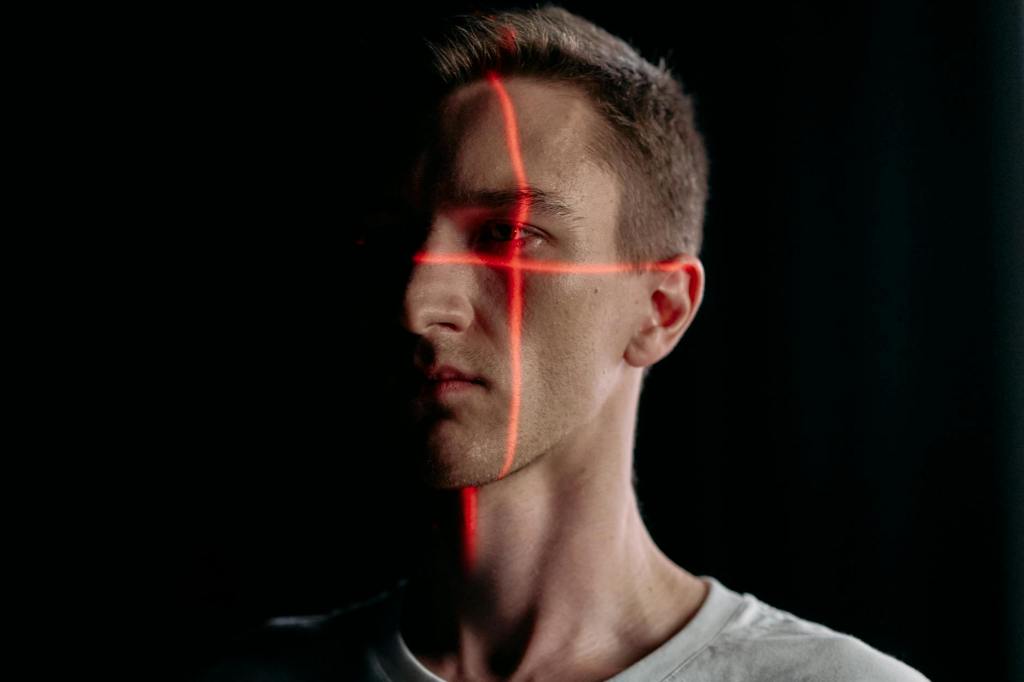
- High-risk AI (facial recognition, social scoring) faces stricter controls and bans
- Transparency is key for all AI, with developers needing to explain how their systems work
- “Regulatory sandboxes” allow safe testing of innovative AI technologies
- The EU AI Act aims to be a global model for responsible AI development
Artificial intelligence (AI) is rapidly transforming our world, from powering chatbots that answer your customer service questions to influencing how doctors diagnose diseases. But with this growing power comes a need for clear guidelines to ensure AI is developed and used responsibly.
The European Union (EU) is taking a bold step in this direction with the landmark EU AI Act, recently approved by the European Parliament. This legislation aims to strike a balance between encouraging innovation in AI and safeguarding safety, ethics, and fundamental rights.
Balancing Innovation with Safeguards
The EU AI Act categorizes AI systems based on their potential risk. Low-risk AI, like chatbots you encounter while shopping online, faces minimal regulations. However, high-risk AI systems, like facial recognition technology used in public spaces, will be subject to stricter controls.
“The AI Act finally puts human beings and European values at the very center of AI’s development,” said Brando Benifei, co-rapporteur for the Internal Market Committee, underlining the Act’s focus on human-centricity.
What’s Off Limits?
The Act bans certain AI applications deemed too risky for citizen safety and privacy. This includes social scoring systems that judge individuals based on their social behavior and real-time facial recognition used for mass surveillance. Additionally, the Act prohibits AI that manipulates human behavior or exploits vulnerabilities, such as emotion recognition software used to monitor employee productivity.
Keeping High-Risk AI in Check
For developers and deployers of high-risk AI systems, the Act outlines clear obligations. These include conducting thorough risk assessments, ensuring transparency in how the AI works, and maintaining oversight by humans. Users will also have the right to request explanations for decisions made by high-risk AI systems that affect their rights.
Transparency for General-Purpose AI
Even general-purpose AI (GPAI) systems, like those used for image recognition or language translation, will need to meet certain transparency requirements. Developers must ensure their GPAI models comply with copyright law and publish summaries of the data used to train them. More powerful GPAI models will face additional scrutiny, requiring evaluations to identify and mitigate potential systemic risks.
Sandboxes for Innovation
Despite the regulations, the EU AI Act aims to foster a healthy environment for responsible AI development. The legislation encourages member states to establish “regulatory sandboxes.” These controlled environments allow businesses to test innovative AI technologies before they hit the market, fostering collaboration and innovation within a risk-managed framework.
A Global Stepping Stone?
The EU AI Act has the potential to be a game-changer, not just for Europe but for the global development of AI. “The EU has delivered. We have linked the concept of artificial intelligence to the fundamental values that form the basis of our societies,” stated Dragos Tudorache, co-rapporteur for the Civil Liberties Committee.
The timeline for implementation is staggered, with bans on certain practices taking effect fastest (six months) and obligations for high-risk systems taking the longest (36 months). As the Act is implemented, it will be interesting to see how it addresses potential challenges, such as ensuring consistent enforcement across member states.
The EU AI Act marks a significant step towards a future where AI serves humanity responsibly. By establishing clear guidelines and fostering innovation within a safe framework, the Act has the potential to shape a world where AI empowers individuals and businesses while safeguarding fundamental rights and ethical principles.Ⓒ



 Business Bayani PH
Leave a comment