

Key takeaways:
- Proposed ₱100 wage hike divides opinions in the Philippines
- NEDA warns of inflation, GDP slowdown, and potential job losses
- Workers argue the hike is needed to keep up with rising costs
- Regional disparities in living costs and economic conditions pose challenges
- Finding a solution requires careful planning and open dialogue
A proposed ₱100 daily wage hike in the Philippines has ignited a firestorm of debate. Proponents hail it as a much-needed boost to workers’ wallets, while the National Economic and Development Authority (NEDA) raises concerns about rising prices, economic slowdown, and potential job losses. But amidst the economic buzz, a simple question lingers: how much does someone even earn in the Philippines?
NEDA sounds the alarm
NEDA Secretary Arsenio Balisacan warns that the fixed ₱100 hike could negatively impact inflation, potentially reversing recent progress in bringing it down to the target range of 2-4%.
“We are not against wage increases,” Balisacan clarifies, “but we prefer regional negotiations.” He argues that regional discussions would better account for varying labor market conditions and economic realities across the country.
“Our estimates show potential GDP growth hits,” Balisacan adds, estimating a potential reduction of 0.1 to 0.5 percentage points. He further warns of potential job losses ranging from 100,000 to 340,000, highlighting the delicate balance between wage increases and economic stability.
Workers counter: rising costs pinch harder
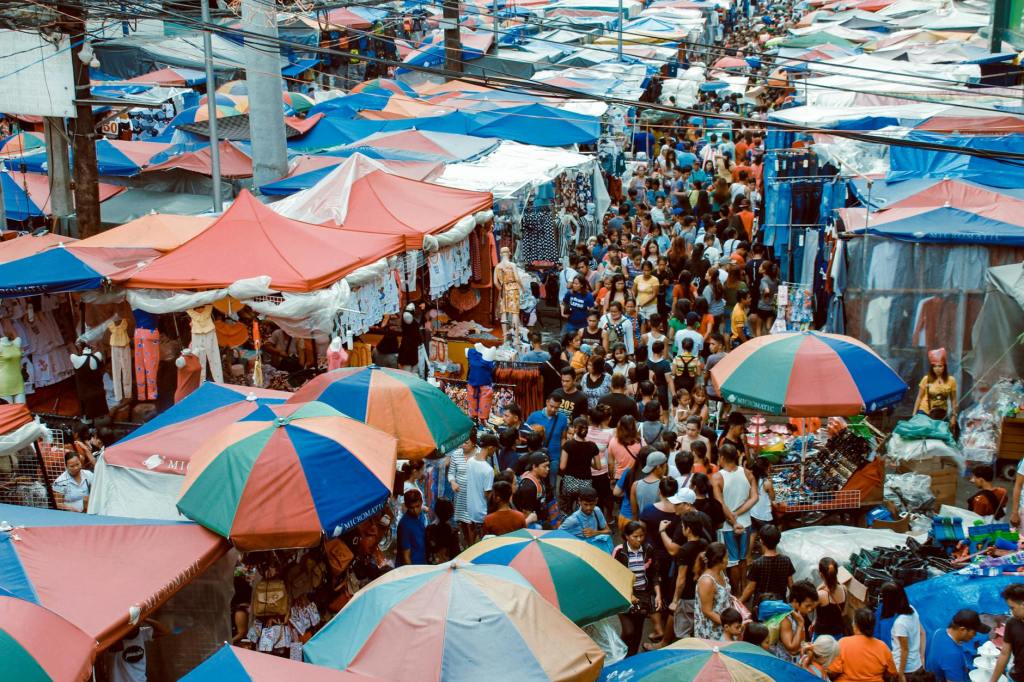
Labor unions and worker advocates counter NEDA’s concerns, arguing that the ₱100 hike is barely enough to keep up with the rising cost of living. “The current minimum wage is not enough for basic needs,” says Sarah, a garment factory worker in Taytay, Rizal. “Everything from rice to vegetables is going up, but our wages have not budged in years.”
Economic experts endorse the perspective that although inflation concerns are legitimate, it is crucial not to disregard workers facing difficulties in meeting their needs. They maintain that a skillfully executed pay rise could positively impact the economy through increased consumer spending.
Minimum wage: prying open the Pandora’s box
So, what is the current minimum wage in the Philippines? As of November 2023, it varies, ranging from ₱375 to ₱5,500 per day depending on sector and region. The proposed hike would represent a significant increase for many, particularly in lower-paying sectors.
However, regional disparities raise concerns about its impact. A nationwide hike might benefit workers in urban areas with higher living costs but could disproportionately hurt businesses in less developed regions.
Finding the sweet spot: alternatives and solutions
Finding a solution that balances worker needs with economic stability requires careful consideration. Alternative proposals include sector-specific wage increases or regional negotiations, as advocated by NEDA. Government subsidies could also mitigate the potential impact on businesses.
Ultimately, striking a balance between economic growth and worker well-being will require careful planning, data-driven decisions, and open dialogue between all stakeholders.
The debate surrounding the ₱100 wage hike is far from over. Will regional negotiations prevail, or will a nationwide increase be implemented? How can we ensure that any wage increase benefits both workers and the economy as a whole? These are just some of the open questions that remain as the Philippines navigates this complex economic landscape.◼

 Business Bayani PH
Leave a comment