
Key takeaways:
- 25-year, ₱170.6B contract awarded to SMC-SAC Consortium to expand NAIA airport capacity from 35M to 62M passengers per year
- Consortium will make ₱30B upfront payment plus annual fees to government
- Deal requires consortium to share over 80% of gross revenues, forecast at ₱900B over concession period
- Consortium to start operations within 6 months and complete upgrades to terminals, runways by end 2024
- Expanded airport aims to boost Philippine exports, imports and tourism by modernizing main air travel gateway
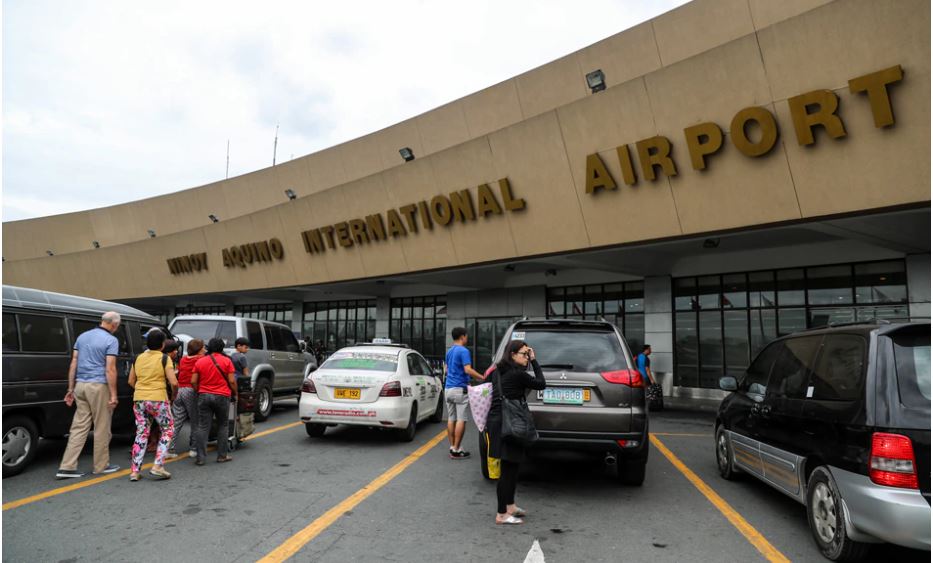
The Manila International Airport Authority (MIAA) Board has awarded a 25-year contract to the SMC-SAC Consortium to rehabilitate and expand the aging Ninoy Aquino International Airport (NAIA). The over ₱170.6 billion (about $3.3 billion) solicited public-private partnership (PPP) project aims to boost the main gateway’s capacity from 35 million to 62 million passengers annually.
“This is certainly a welcome development for this long overdue project. NAIA has been operating beyond capacity for nine years, leading to poor service and passenger inconvenience,” said Finance Secretary Ralph Recto in a press statement. “The NAIA PPP project has been in the works for three decades, spanning six administrations. It has finally turned into a reality under the Marcos Jr. administration.”
The Consortium, composed of Philippines’ San Miguel Holdings Corp and South Korea’s Incheon International Airport Corp, submitted the highest bid. It will provide an upfront payment of ₱30 billion (about $580 million) and fixed annual fees of ₱2 billion (about $38 million) to the government.
Most notably, the deal requires the Consortium to share 82.16% of gross revenues with the government—forecast to generate ₱900 billion (about $17 billion) over the life of the concession. This far surpasses the ₱22.05 billion (about $420 million) in dividends the Manila International Airport Authority has remitted over the past decade.
Boosting trade and tourism
The expanded airport capacity and improved facilities will directly benefit Philippine exports, imports and tourism. NAIA serves as the central hub for cargo shipments, especially high-value electronics and perishable fruits.
With upgraded runways and rapid customs clearances, the project enables local businesses to better link into global supply chains via overnight freight connections. This is increasingly essential for the country’s growth into higher-value manufacturing.
Streamlined travel and enhanced terminal amenities also make the Philippines more attractive for the tourism industry. Based on other airport privatizations globally, the Consortium will likely incorporate commercial space for retail shops, hotels and entertainment.
Fast tracking a long delayed project
The PPP project has been in various stages of planning for over 30 years across multiple administrations. President Ferdinand Marcos Jr made it a priority to accelerate the bidding and approval process. His economic team evaluated and endorsed the unsolicited proposal in just six weeks—the fastest ever for a project of this scale.
NAIA’s rehabilitation and expansion aims to solve infrastructure capacity issues that have persisted for over three decades. The main Manila gateway has long operated far beyond its designed limit of 35 million passengers per year, resulting in severe congestion, inadequate facilities and a substandard travel experience.
However, the timely approval and awarding of the PPP contract finally paves the way for concrete action on this long-delayed airport upgrade. With the SMC-led consortium slated to take over NAIA operations within six months, travelers can expect to see major congestion relief and facility improvements before 2024 ends.
Specific upgrades and technology integration
The contract requires extensive renovations to NAIA’s four terminals, runways and transportation links. This includes deploying the latest airport management software, self-service kiosks and control systems.
The SMC-SAC Consortium brings together San Miguel Corporation, which has overseen major airport expansion projects domestically, and Seoul’s Incheon International Airport Corporation, repeatedly ranked among the world’s top airports globally.
With extensive combined expertise focused on redeveloping NAIA, the Consortium aims to leverage global terminal design standards and smart automation technology to increase capacity while improving passenger flow and experience at the aging gateway.
Oversight committees will monitor the Consortium’s progress on rehabilitation timelines, budget efficiencies, and service level commitments under the 25-year concession.
Addressing key passenger concerns
In the past, NAIA has been criticized for its old facilities, less-than-friendly service, long lines, flight delays, inadequate seating, and rundown amenities. The Consortium will apply standardized benchmarks for airport performance. This covers critical indicators like check-in and cargo delivery wait times, facility cleanliness and availability of passenger helpdesks.
Travelers have also repeatedly asked questions related to NAIA’s ownership model and the bidding process for this privately-funded upgrade.
While MIAA, a government corporation, will continue owning the airport lands, the concession framework gives the SMC group the responsibility for management and development. After a transparent competitive tender, the Consortium offered the best value, committing the largest revenue share.
Investing in the future
The air transport market in the Philippines is forecast to grow by 171% in the next 20 years, which would result in an additional 66.5 million passenger journeys by 2037, according to a report by International Air Transport Association. The NAIA needs significant reconstruction to catch up to other Asian hubs like Hong Kong and Singapore.
This PPP model taps into private sector expertise in airport rehab and operations, while allowing government coffers to fund other national priorities.
The project’s timely execution and oversight by the Marcos Jr administration underscores the Philippines’ openness for infrastructure investment and economic modernization.◼
📷ABSCBN News


 Business Bayani PH
Leave a comment