

Key takeaways:
- RMC 5-2024 imposes withholding taxes on a broad range of cross-border services, raising concerns from businesses
- Critics argue the regulation is overly broad, creates treaty conflicts, and lacks clarity
- Businesses fear increased costs and potential investment decline
- The BIR defends its position based on the source-based taxation principle
- The future of the regulation remains uncertain, impacting businesses and investors
A wave of discontent has swept through the Philippine business community following the Bureau of Internal Revenue’s (BIR) implementation of Revenue Memorandum Circular (RMC) 5-2024. Big groups like the Philippine Chamber of Commerce and Industry (PCCI) and the Management Association of the Philippines (MAP) are asking the BIR to rethink or even scrap the rule altogether. They worry it could hurt foreign investment, clash with agreements with other countries, and be confusing for businesses to follow.
What is RMC 5-2024?
Introduced in January 2024, RMC 5-2024 imposes withholding taxes on payments made when companies hire people or firms outside the Philippines (otherwise known as foreign providers of “cross-border services”). These services encompass a broad range, including:
- Consulting services
- IT outsourcing
- Financial services
- Telecommunications
- Engineering and construction
- Education and training
- Tourism and hospitality
- Other similar services
Effectively, this means Philippine companies engaging any of these services from abroad will now face additional tax obligations. For example, hiring a foreign consultant could now cost 25% more, plus an additional 12% Value Added Tax (VAT).
Business concerns escalate
Business groups say RMC 5-2024 is too broad and might tax services not intended by the law. They are also concerned about:
- Clashing with deals with other countries: Agreements, or tax treaties, sometimes let foreign companies avoid taxes if they do not have a permanent office in the Philippines. RMC 5-2024 might conflict with these treaties.
- Conflicting with existing tax laws: Traditionally, taxes are based on where the income comes from. RMC 5-2024’s interpretation of where income comes from is confusing businesses.
- Making things more expensive and hurting competition: Businesses fear RMC 5-2024 will make things way more expensive, making it harder for them to compete and attract foreign investment.
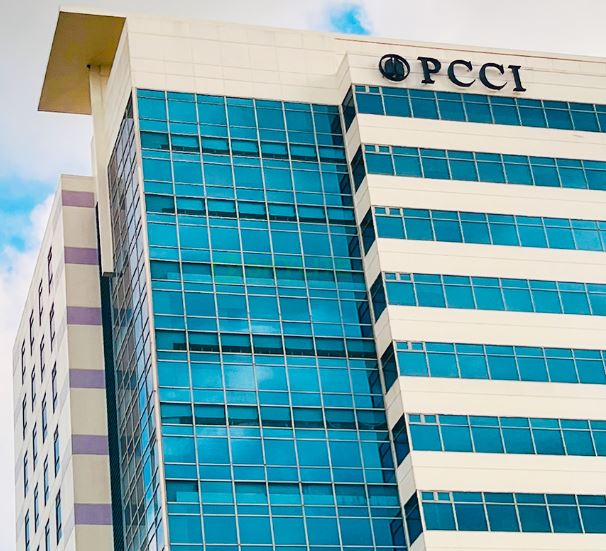
Part of the business groups’ joint statement read: “Implementing RMC No. 5-2024 will result in increased cost of doing business in the Philippines.” They worry it could scare away foreign investors. They also warned the rule could lead to disputes and confusion for businesses trying to follow it.
The statement added: “When a foreign entity deals with Philippine clients, it does so with the understanding that the tax costs of the transaction are manageable from a whole entity perspective and that the transaction will still generate a profit for the foreign entity. Once the tax costs do not justify doing business with Philippine clients, e.g., the tax rates are prohibitive, then foreign entities will more than likely look for other jurisdictions where the tax costs are lower.”
The groups are referring to situations where foreign companies interact with clients in the Philippines. They are emphasizing that when these foreign entities do business with Filipino clients, they expect the taxes associated with these transactions to be manageable for their entire company. In other words, they want to make sure that the taxes do not make it too difficult for their business to turn a profit.
However, if the taxes in the Philippines become too high, like when the tax rates are extremely high and make it unprofitable to do business with Filipino clients, then these foreign companies will likely look for other countries where the taxes are lower. This means that they will choose to do business in places where they can make more money without having to pay as much in taxes.
This statement carries weight because it shows that foreign companies consider taxes when deciding whether to do business in the Philippines. If the taxes are too high, they may choose to do business elsewhere, which could affect the Philippine economy and the opportunities available to local businesses and clients.
BIR defends its position
The BIR says RMC 5-2024 is fair and just clarifies existing rules. They argue that even if services are done abroad, if they benefit companies in the Philippines, they should be taxed here.
It is unclear what will happen to RMC 5-2024. The BIR has not said if they will change it, leaving businesses and investors unsure. This decision will impact both local and foreign companies in the Philippines.
The united groups are composed of the Philippine Chamber of Commerce and Industry (PCCI), Philippine Exporters Confederation (Philexport), Management Association of the Philippines (MAP), Tax Management Association of the Philippines (TMAP), Philippine Institute of Certified Public Accountants (PICPA), Financial Executives of the Philippines (FINEX), Association of Certified Public Accountants in Commerce and Industry, Association of Certified Public Accountants in Public Practice, Joint Foreign Chambers of the Philippines (JFsC), IT and Business Process Association of the Philippines.◼



 Business Bayani PH
Leave a comment