
Key takeaways:
- SMC leads consortium with expertise (Incheon Airport) and strong financial offer
- Plans focus on accessibility, capacity increase (doubling passengers), and improved passenger experience
- Concerns exist around transparency, community impact, and environmental sustainability
- Solutions include resettlement plans, open communication, and green practices
- Experts see potential for economic benefits, regional hub status, and responsible development
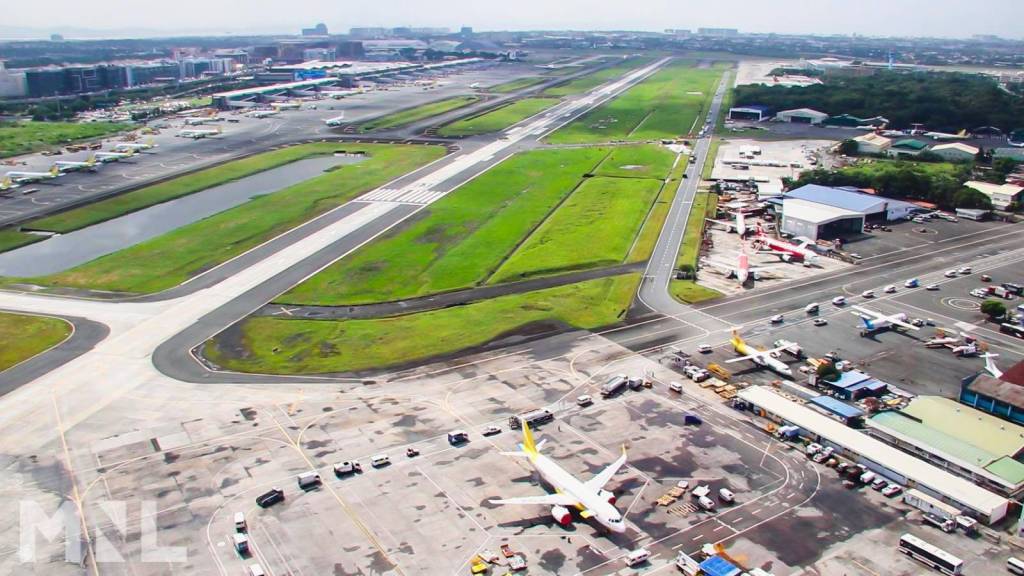
Long gone are the days of frustration at Ninoy Aquino International Airport (NAIA). The notorious queues and outdated facilities are set for a complete overhaul, thanks to San Miguel Corporation’s (SMC) front-running proposal. Their plan promises to transform NAIA into a world-class airport, boosting not only passenger experience but also the Philippines’ economic potential.
World-class standards, Filipino benefits
SMC’s proposal, submitted through their SMC SAP & Company Consortium, prioritizes not only airport upgrades but also benefits for the government and Filipino people.
- Financial commitment: SMC offers to share 82.16% of future gross revenue (excluding passenger service charges) with the government, alongside a fixed upfront fee of ₱30 billion and an annual fee of ₱2 billion. This signifies a strong financial commitment and potential for significant returns for the Philippines.
- Expertise and experience: The consortium includes renowned names like San Miguel Holdings Corp, RMM Asian Logistics Inc., RLW Aviation Development Inc., and Incheon International Airport Corp (IIAC), the operator of the world-renowned Incheon Airport, ranked fourth best in the world by Skytrax. This collaboration brings valuable expertise and a proven track record to the project.
- Focus on connectivity and accessibility: SMC highlights synergies with their New Manila International Airport (NMIA) project in Bulacan. This integrated network aims to optimize flight schedules, enhance operational efficiency, and improve overall connectivity within the Philippines.
- Passenger experience at the core: The plan still revolves around improving the passenger experience with features like self-service kiosks, biometric technology, smart baggage systems, and modern lounges, as previously mentioned.
“Our aim is to elevate NAIA to world-class standard, ensuring an exceptional experience for all travelers with first-rate services and facilities. Our commitment is to ensure this project brings significant value and advantages to our nation, our government, and our kababayans (fellow Filipinos),” Ramon Ang, SMC president and CEO, said in a news release on February 8.
Transparency and accountability
While optimism surrounds SMC’s proposal, transparency and accountability remain crucial. The pre-qualification bids and awards committee is currently reviewing the financial proposals for compliance, and a notice of award is expected by February 15th.
The other bidders are the GMR Airports Consortium, which offered a share of 33.30% of future gross revenue, and the Manila International Airport Consortium which offered 25.91%.
Stakeholders must remain vigilant in ensuring a fair and transparent selection process.
A gateway to growth
The NAIA modernization goes beyond bricks and mortar. It’s an investment in the Philippines’ future, aiming to:
- Boost tourism: A world-class NAIA can attract more tourists, generating revenue and creating jobs in tourism-related sectors.
- Attract investment: Efficient cargo handling, faster customs clearance, and improved international connectivity can make the Philippines a more attractive destination for businesses.
- Position the Philippines as a regional hub: An integrated airport network with NMIA can solidify the Philippines’ position as a key player in Southeast Asia.
In 2023, both Sabin Aboitiz and Kevin Tan (industry leaders) backed the consortium’s vision for a transformed NAIA, stressing collaboration with the government and highlighting its potential as a growth engine for tourism and the economy.
Challenges and the road ahead
Not everyone is happy about the NAIA makeover yet. Some people worry about how it will affect the communities around the airport, the environment, and how open and honest the project will be. But SMC, the company leading the project, has a good track record and promises to do good for Filipinos.
One social development advocate thinks people living near NAIA might need to move, but they should be helped to find new homes and jobs. Talking to everyone involved and offering new ways to earn money can make things easier for everyone.
If everything goes well, the new NAIA could be like a major airport hub, bringing in more tourists and businesses, and helping the Philippines grow in a way that lasts. Everyone needs to stay involved to make sure things go smoothly and the future of Philippine aviation takes off! ◼



 Business Bayani PH
Leave a comment