
Key takeaways:
- Management Association of the Philippines (MAP) calls for a Traffic Czar to address Metro Manila’s traffic crisis
- MAP emphasizes the need for a holistic approach, recognizing the failure in current traffic management policies
- Proposed measures include the organization into traffic management zones, revival of Mabuhay Lanes, and prioritizing mass public transport
- MAP advocates for the completion and privatization of the cost-effective Busway system
- Recommendations also cover privatizing MRT3 and LRT2 operations, urban dispersal, and expanding nautical highways to decongest major routes
The Management Association of the Philippines (MAP) has issued a resounding call to action, urging the Philippine government to appoint a dedicated Traffic Czar and institute a comprehensive plan to tackle the longstanding traffic crisis gripping Metro Manila.
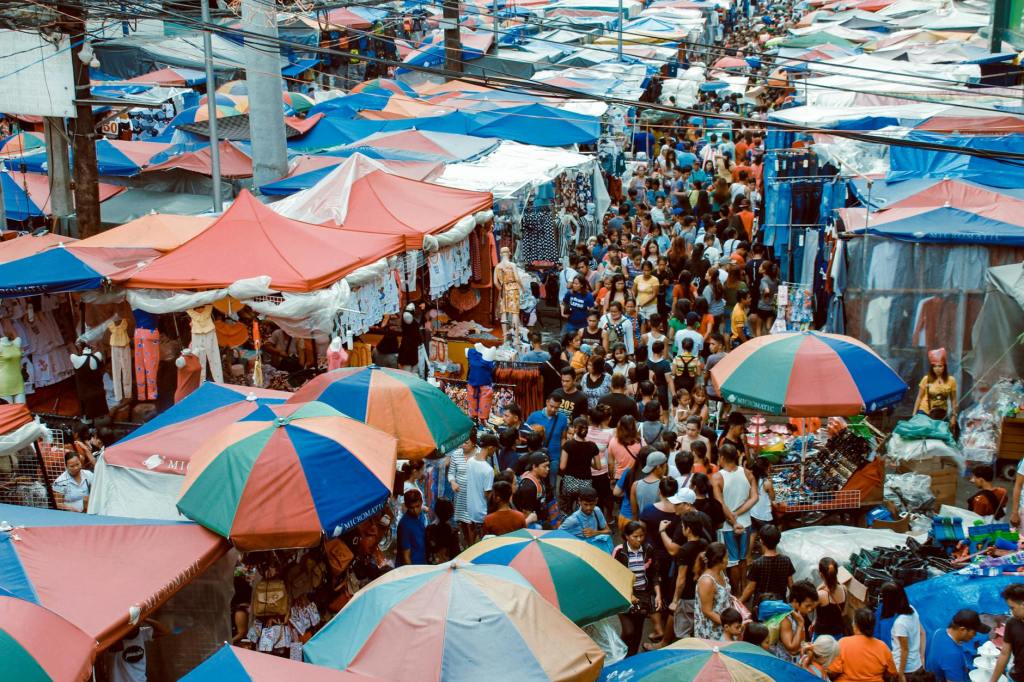
With the world’s worst traffic title, MAP stresses the need for urgent measures to ease economic impact and enhance citizens’ well-being in the metropolis.
MAP, known for advocating the Busway solution for Metro Manila’s public bus transportation problem, highlights the need for a holistic approach to address the challenging traffic crisis. They stress that a failure in traffic management requires a shift in road and traffic policies for lasting solutions.
According to MAP, the initial vital move is officially declaring a traffic crisis and appointing a Traffic Czar. This person, empowered with full authority, would mobilize government resources promptly during the crisis.
MAP suggests a comprehensive plan to tackle the traffic issue, covering organization, traffic management, mass public transport, Busway system, MRT3, LRT2 systems, urban dispersal, nautical highways, and infrastructure.
They propose dividing Metro Manila into four Traffic Management Zones for better local management, reviving Mabuhay Lanes as alternate routes, and optimizing their usage to ease congestion on major roads.
The traffic management section focuses on practical steps, such as banning parking during peak traffic hours, adjusting traffic flows to reduce conflicts at intersections, and introducing high-passenger occupancy vehicle practices in busy areas.
MAP strongly supports following the National Transport Plan by the National Economic and Development Authority since 2017. The plan prioritizes mass public transport, allocates road space for busways, and suggests expanding non-motorized mobility with sidewalks and cycling networks.
MAP highlights the Busway system as the most cost-effective urban transit after three years of testing. They urge its speedy completion through the PPP (public-private partnership) model, suggesting privatization and global standards adherence for optimal efficiency.
MAP suggests privatizing the operation and maintenance of MRT3 and LRT2 to enhance service capacity. They also propose reducing train intervals during peak hours to maximize commuter efficiency.
In urban dispersal, MAP proposes constructing a new government center in New Clark City, shifting national offices to ease Metro Manila congestion. They also suggest connecting satellite communities outside Metro Manila through the north and south commuter rail system.
Another suggestion is to expand the nautical highway, which includes creating a Pasig River and Laguna Lake passenger ferry system and implementing Ro-Ro ferry systems to ease congestion on major routes.
In concluding the comprehensive plan, MAP encourages its members to consider telecommuting systems or working from anywhere during the crisis, along with other applicable practices like ride-sharing or high-occupancy vehicle practices.
In response to the urgent need for action, the MAP states, “This traffic crisis is highly detrimental to the people and the economy. No effort must be spared to expeditiously provide relief to our people and economy. The crisis can be mitigated with strong political will, competent management with resolute short, medium, and long-term measures.”
Transport groups advocate modernization compliance
Meanwhile, the MAP’s call for a Traffic Czar and a holistic approach aligns with the ongoing challenges posed by the public utility vehicle modernization program (PUVMP).
Transport groups stress the need for compliance with modernization programs to enhance the country’s standing and avoid being categorized as a third-world country.
In a radio interview on January 29, Orlando Marquez Sr., president of the Liga ng Transportasyon at Operators ng Pilipinas, expressed his support for the granted extension for franchise consolidation under the PUVMP.
On January 24, President Ferdinand Marcos Jr. approved transport secretary Jaime J. Bautista’s recommendation, granting an additional three months until April 30, 2024 for the consolidation of public utility vehicles.
However, Marquez voiced opposition to a provision within the PUVMP that mandates the suspension of the entire cooperative if a single member commits violations.
Emphasizing his stance, Marquez pointed out Republic Act 4136 explicitly states that the Land Transportation Franchising and Regulatory Board and the Department of Transportation lack the authority to cancel PUV franchises.◼


 Business Bayani PH
Leave a comment