
Key takeaways:
- Climate change may cause 14.5 million deaths and $12.5 trillion in economic losses by 2050.
- Floods pose the highest risk, with 8.5 million projected deaths, while droughts and heatwaves follow.
- Health costs may soar by $1.1 trillion by 2050, with a rise in climate-sensitive diseases affecting 500 million people.
- Global collaboration and a transformed health system are crucial to mitigate these dire consequences.
A recently published report by the World Economic Forum has issued a stark warning: the relentless march of climate change may result in a surge of 14.5 million deaths and an estimated $12.5 trillion in economic losses globally by the year 2050.
This eye-opening report, titled “Quantifying the Impact of Climate Change on Human Health,” urges urgent and decisive action from international leaders to counter these dire predictions and minimize the devastating health impacts.
Led by Shyam Bishen of the World Economic Forum, the report carefully studies how climate change affects human health, the global economy, and healthcare systems.
Created with Oliver Wyman, it delves deeper into the impact on well-being and global health infrastructure beyond the known environmental and economic effects of climate change.
“While there has been much discussion about the impact of climate change on nature and the global economy, some of the most pressing consequences of the Earth’s rising temperatures will be on human health and the global healthcare system,” warned Shyam Bishen.
The report quantifies the grim health outcomes of climate change, forecasting an $1.1 trillion in additional healthcare costs by 2050. The analysis is grounded in scenarios developed by the Intergovernmental Panel on Climate Change (IPCC), predicting a rise in the planet’s average temperature by 2.5° to 2.9° Celsius over pre-industrial levels.
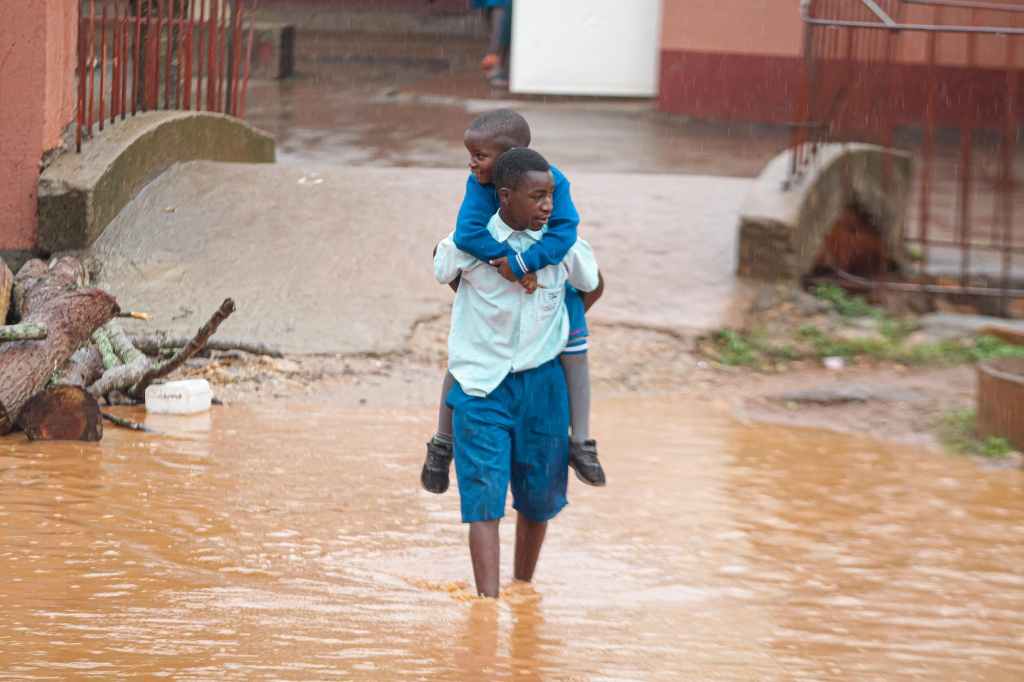
Floods, droughts, heatwaves, tropical storms, wildfires, and rising sea levels are identified as the primary drivers of negative health impacts. Floods emerge as the leading cause of climate-induced mortality, with a projected 8.5 million deaths by 2050. Droughts, linked to extreme heat, follow closely with an anticipated 3.2 million deaths. Heatwaves take a severe economic toll, estimated at $7.1 trillion by 2050, primarily due to productivity losses.
Vanessa Kerry, CEO of Seed Global Health and WHO special envoy for climate change and health, emphasized the urgent need for action, stating, “The climate crisis is a health crisis, and it is driving a vicious cycle of disease, economic devastation, and suffering.”
In addition to immediate threats, the report warns of a catastrophic rise in climate-sensitive diseases, exposing an additional 500 million people to vector-borne diseases by 2050.
Vanessa Kerry stressed the urgency, warning that not acting leads to a high death toll and risks undoing decades of progress in global health. The report highlights that climate change will worsen global health disparities, especially affecting vulnerable groups in regions like Africa and southern Asia due to lacking resources and essential medical equipment.
Despite the concerning predictions, the report ends on a hopeful note, proposing that there’s time for important action. Collaborating across borders and industries and transforming the global health system are crucial steps to tackle the looming crisis.
Sam Glick, global leader of Oliver Wyman Health and Life Sciences, stressed the imperative for sustained action: “It is clear that we need sustained action if we are to mitigate the far-reaching consequences of climate change and ensure a healthy future for all.”
As the clock ticks toward 2050, the call for global cooperation and immediate measures to combat climate change grows louder. The world must unite to confront this health crisis, safeguarding not only our environment but also the well-being of millions.◼



 Business Bayani PH
Leave a comment