Key takeaways:
- FIATA calls for global coordination amid rising Red Sea tensions in maritime transport.
- Concerns over attacks, rerouting, and surcharges prompt emphasis on transparent communication and careful management.
- International collaboration urged to ensure a resilient maritime supply chain.
- FIATA aligns with IMO in supporting the UN Security Council resolution for safe vessel transit in the Red Sea.
As tensions escalate in the Red Sea, the International Federation of Freight Forwarders Associations (FIATA) is sounding the alarm, urging for a global effort to monitor and coordinate maritime transport.
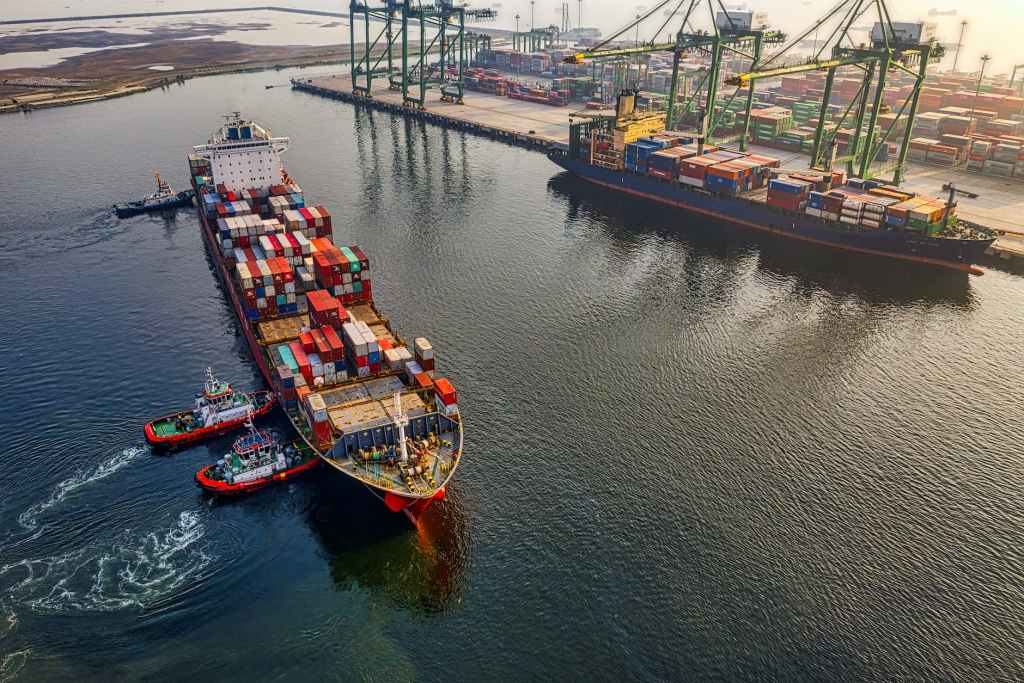
The Red Sea, a crucial waterway connecting Europe and Asia, has witnessed a surge in attacks against commercial shipping, leading to disruptions in the maritime supply chain.
The mounting challenges have prompted approximately 18 shipping lines to either halt or reroute traffic through the Red Sea. Ongoing attacks have forced vessels to take longer routes, such as navigating via the Cape of Good Hope, resulting in increased transit times of around 12 days.
FIATA emphasizes the need for international dialogue and collaboration among governments and supply chain stakeholders to address these challenges and ensure the resilience of the maritime supply chain.
In a recent communication and position paper, FIATA calls on governments and industry decision-makers to strengthen international cooperation in finding united solutions for a resilient maritime supply chain.
The organization underscores the importance of careful management and coordination to minimize the impacts on international trade, particularly with the sharp increases in freight rates and concerns about surcharges on affected and unaffected routes.
Professor Christa Sys, holder of the BNP Paribas Fortis Chair on Transport, Logistics and Ports at the Department of Transport and Regional Economics of the University of Antwerp, highlights the unprecedented magnitude of surcharges imposed by shipping lines.
FIATA urges shipping lines to be cautious with surcharges, stressing clear communication. The lack of information on surcharge content and ‘all in’ invoicing without itemization raises concerns about the financial transparency of these fees.
FIATA acknowledges the capacity to reroute vessels around the Cape of Good Hope but points out the challenge of competitively and flexibly managing this capacity to minimize disruptions. Antonella Teodoro, a senior transport consultant at MDS Transmodal, underscores the potential impact on ports and global supply chain connectivity, expressing concern that some ports could face severe disadvantages.
As prices go up, FIATA emphasizes the importance of careful management and coordination to safeguard consumers, the global supply chain, and economies, especially in developing countries.
The organization calls on the international community to set up effective monitoring, highlighting how supply chain disruptions impact stakeholders worldwide.
FIATA supports the UN Security Council’s Resolution 2722 (2024) alongside the International Maritime Organization (IMO). This resolution highlights the need to respect navigational rights for merchant vessels under international law.
FIATA also backs the IMO’s ongoing work for safe vessel transit in the Red Sea, stressing collaboration with Member States and industry partners to monitor the situation closely.
As tensions rise in the Red Sea, FIATA urges global monitoring and coordination to stabilize maritime transport. Advocating transparent communication, careful management, and international collaboration, the focus is on safeguarding the global supply chain for the benefit of consumers and economies worldwide. The situation’s urgency calls for a united effort to navigate challenges and maintain vital connectivity between nations.◼



 Business Bayani PH
Leave a comment