
Key takeaways:
- DOE urges foreign investors to seize opportunities in stalled renewable energy projects.
- Over 1,000 service contracts were awarded, but a fraction has been implemented.
- Wind projects lead in potential capacity, emphasizing investment potential.
- Indonesia-Philippines MOU enhances collaboration on clean energy, reflecting a shift to private sector involvement.
- Historical reliance on Indonesian coal prompts the Philippines to seek alternatives; diplomatic efforts secure a steady coal supply.
The Department of Energy (DOE) has opened up possibilities for foreign investors eyeing renewable energy projects that are currently stuck. DOE undersecretary Rowena Cristina Guevara highlighted that many awarded projects, especially to smaller companies, are not progressing, creating a chance for foreign companies, particularly from Europe.
Guevara emphasized, “There is a large opportunity to invest in renewable energy. They have the service contract, but we are not seeing the projects being constructed.”
She urged foreign companies to explore these opportunities while mentioning the DOE’s plan to terminate contracts for non-compliant projects.
As of November 2023, the DOE has granted over 1,000 renewable energy service contracts, but only 5.7 gigawatts out of a total potential capacity of 132.9 gigawatts have been installed. Hydropower leads with 433 approved projects, followed by solar, wind, biomass, geothermal, and ocean projects.
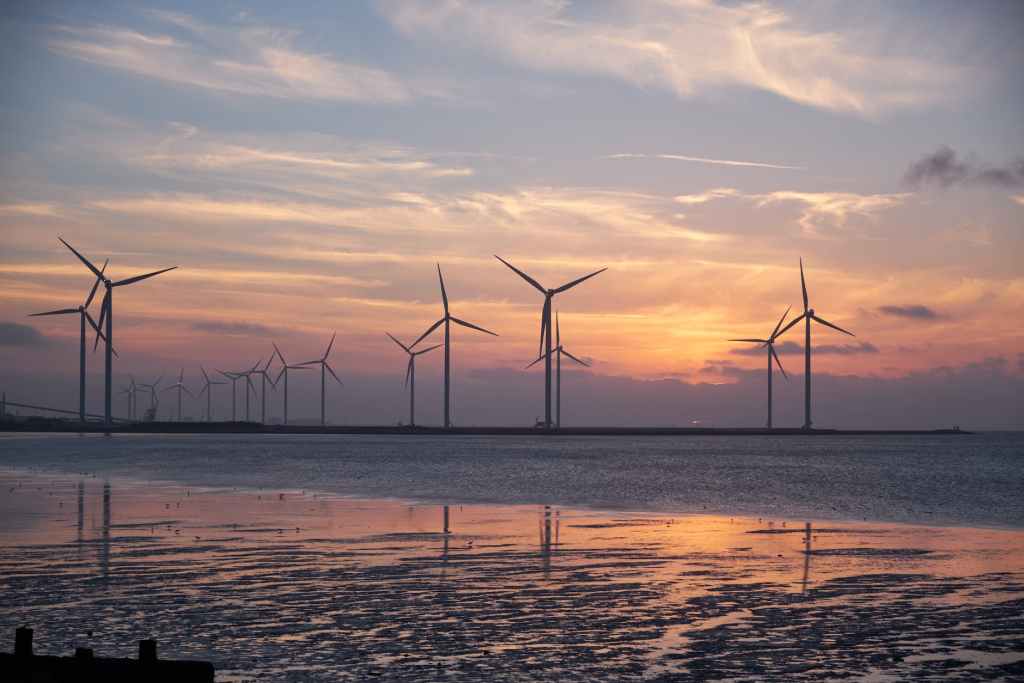
Wind projects hold the highest potential capacity at 84,109.7 megawatts, followed by solar, hydropower, geothermal, biomass, and ocean. This significant gap between awarded contracts and actual implementation emphasizes the investment potential in the renewable energy sector.
In a related development, a Memorandum of Understanding (MOU) was signed on January 10 between Indonesia and the Philippines to strengthen cooperation in the energy sector. Presidents Ferdinand Marcos Jr. and Joko Widodo witnessed this agreement, which aims to boost collaboration on energy transition, renewable energy, electric vehicles, and alternative fuels.
Energy secretary Raphael P.M. Lotilla highlighted the significance of the MOU, saying, “It reinforces and updates the long-term energy cooperation between the two countries.”
The MOU reflects a shift from previous agreements dominated by state-owned companies to a more prominent role for the private sector.
Lotilla pointed out that Indonesia and the Philippines share common energy concerns, including dependence on coal-fired power plants. Both nations are actively working towards a transition to cleaner technologies without burdening their populations.
Indonesia and the Philippines are globally ranked second and third in installed geothermal generation plants, showcasing their commitment to cleaner energy sources. The two countries also hold vast potential for solar, wind, and ocean energy production.
Secretary Lotilla also mentioned the historical reliance of the Philippines on Indonesian coal, accounting for nearly 98% of total Philippine coal imports in 2022.
Disruptions in the Indonesian coal supply prompted the Philippines to seek alternatives, causing a spike in coal prices. Diplomatic efforts secured assurances from Indonesia for a continued and uninterrupted coal supply.
The DOE’s focus on non-moving renewable energy projects opens up a unique opportunity for foreign investors. As the Philippines and Indonesia strengthen their energy cooperation, private sector involvement becomes crucial in steering both nations towards a cleaner and more sustainable energy future.◼



 Business Bayani PH
Leave a comment