
Key takeaways:
- Global trade-facilitating measures exceed restrictive measures, signaling optimism.
- Export restrictions persist, particularly impacting food prices, despite positive trends.
- WTO reports 303 new trade-facilitating measures, surpassing 193 trade-restrictive measures.
- Director-General urges WTO Members to re-examine and roll back remaining export restrictions.
- Growing stockpile of import restrictions reaches USD 2.5 trillion, emphasizing the need for collective action to reduce trade frictions.
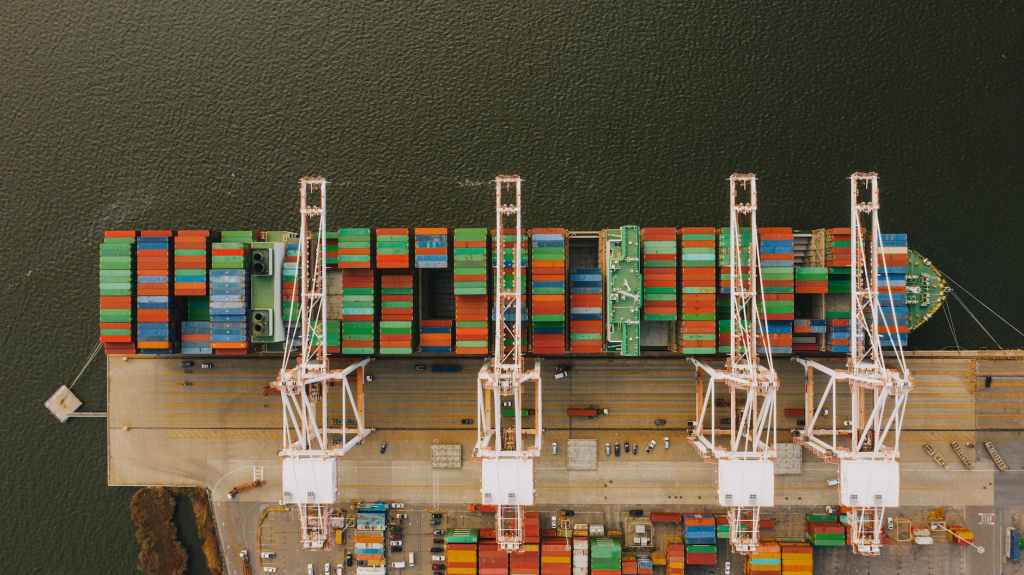
In a recent report unveiled by the World Trade Organization (WTO), a promising surge in global trade-facilitating measures was observed between mid-October 2022 and mid-October 2023, signaling optimism during a period of economic uncertainty.
However, the WTO Director-General’s annual overview, presented on December 7 at a meeting of the Trade Policy Review Body, emphasized that while trade barriers are being dismantled, export restrictions persist, particularly impacting food prices.
WTO director-general Okonjo-Iweala highlighted key findings, underlining the challenges posed by various global crises, including the war in Ukraine, climate change-related extreme weather events, high food and energy prices, debt distress, inflation, and the lingering effects of the COVID-19 pandemic. .
Despite these challenges, the report outlined estimates of merchandise trade volume growth of 0.8% in 2023, with a slight increase to 3.3% in 2024. However, risks such as a slowdown in the Chinese economy, resurgent inflation, and geopolitical tensions continue to loom.
Encouragingly, the Trade Monitoring Report revealed that WTO Members introduced 303 new trade-facilitating measures, surpassing the 193 trade-restrictive measures on goods during the review period.
The value of trade covered by these facilitating measures reached $977.2 billion, exceeding the $337.1 billion affected by trade-restrictive measures. The Director-General expressed approval for these steps, emphasizing their role in countering inflationary pressures.
Nevertheless, the report noted an alarming trend in the increased pace of implementing new export restrictions since 2020. This trend was first evident in medical products during the COVID-19 pandemic and later expanded to include food, animal feed, and fertilizer due to the war in Ukraine.
As of December 1, 75 out of 127 export restrictive measures introduced since late February 2022, covering approximately $29.6 billion of trade, are still in place, contributing to food price volatility.
While acknowledging the progress made in phasing out 52 restrictions, Okonjo-Iweala urged WTO members to re-examine and roll back the remaining export restrictions. These measures, she emphasized, continue to exacerbate food price volatility, impacting the lives of vulnerable populations globally.
The report also delved into services trade measures, revealing that the 123 new measures introduced by WTO members were lower than in previous years, with a majority aimed at facilitating liberalization or regulatory reforms.
Additionally, various government support measures, particularly those addressing environmental concerns, were introduced during the review period, sparking increased dialogue among members to assess their impact.
Reflecting on pandemic-related trade measures, the report indicated a continued phase-out of trade-restrictive measures. As of mid-October, 29 pandemic-related restrictions remained in place, covering $15.6 billion—down significantly from the previous annual report.
Okonjo-Iweala urged members to lift the remaining restrictions, emphasizing the ongoing importance of ensuring access to medical supplies and resilient supply chains in the face of persistent COVID-19 challenges.
Addressing a critical concern, the Director-General highlighted the growing stockpile of import restrictions, reaching an estimated $2.5 trillion in 2023. This represents nearly 10% of total world imports and underscores the need for action to reduce trade frictions and support the efficient functioning of global commerce.
Okonjo-Iweala urged members to collectively work towards rolling back these measures, emphasizing the importance of a resilient and inclusive multilateral trading system.
The Director-General emphasized the responsibility to sustain trade as a force for prosperity and resilience globally. Reiterating the importance of ‘re-globalization,’ she urged continuous efforts to reform and strengthen the multilateral trading system and the WTO.
With the upcoming 13th WTO Ministerial Conference in Abu Dhabi, the report concluded on a call for collective action to deliver tangible results and overcome challenges in the ever-evolving global trade landscape.◼


 Business Bayani PH
Leave a comment