
Key takeaways:
- Two initiatives by Metro Pacific Investments Corp. (MPIC) secure green lane endorsement from BOI’s OSAC-SI.
- Vegetable greenhouse complex in Bulacan (MPFF) and dairy farm in Laguna (MPDF) receive PHP 3.4 billion investment from MPIC.
- Government, under Executive Order 18, supports strategic investments via OSAC-SI, streamlining permits for project efficiency.
- MPFF’s Bulacan farm adopts innovative practices, like hydroponics and drip irrigation, aiming to reduce agriculture’s natural resource consumption.
- Bulacan vegetable complex to be the country’s largest, targeting commercial operation by Q4 next year. Laguna dairy farm eyes boosting local dairy production by 30,000 liters per day, with commercial operations starting Q1 2025.
Two pioneering initiatives by Metro Pacific Investments Corp. (MPIC) have garnered the coveted green lane certificate of endorsement from the Board of Investments’ (BOI) One-Stop Action Center for Strategic Investments (OSAC-SI), announced the investment promotion agency on Wednesday.
The projects in question are the groundbreaking vegetable greenhouse complex situated in San Rafael, Bulacan, operated by Metro Pacific Fresh Farms, Inc. (MPFF), and the state-of-the-art dairy farm project located in Bay, Laguna, managed by Metro Pacific Dairy Farms, Inc. (MPDF). Magnate Manuel Pangilinan, the driving force behind MPIC, is steering an impressive ₱3.4 billion investment into these ventures.
These initiatives align seamlessly with the overarching goal of supporting the Marcos administration’s mission for enhanced food security and affordability for all Filipinos.
Under Executive Order 18, the government, in collaboration with OSAC-SI, is actively endorsing strategic investments for green lane treatment across national government agencies and local government units. This endorsement streamlines and expedites the processing of permits and licenses associated with these projects, fostering a more efficient regulatory environment.
The vegetable greenhouse complex in San Rafael, Bulacan, heralded as the country’s largest facility of its kind, is a flagship project for MPFF. The farm is not just about scale but is committed to sustainable farming practices and modern agricultural technology.
Utilizing innovative methods such as nutrient film technique hydroponics and drip irrigation systems, MPFF seeks to reduce the agriculture sector’s consumption of natural resources.
“Agriculture is the largest user of freshwater, accounting for 70% of global usage. By implementing modern farming practices, MPFF hopes to reduce the agriculture sector’s consumption of natural resources,” emphasizes the BOI.
With plans to commence commercial operations by the fourth quarter of next year, MPFF’s strategic location in Bulacan, adjacent to Metro Manila, ensures efficient logistics for transporting farm produce.
Pangilinan, speaking during the groundbreaking ceremony, highlighted the project’s role in stabilizing vegetable prices and ensuring a steady supply for the metropolis.
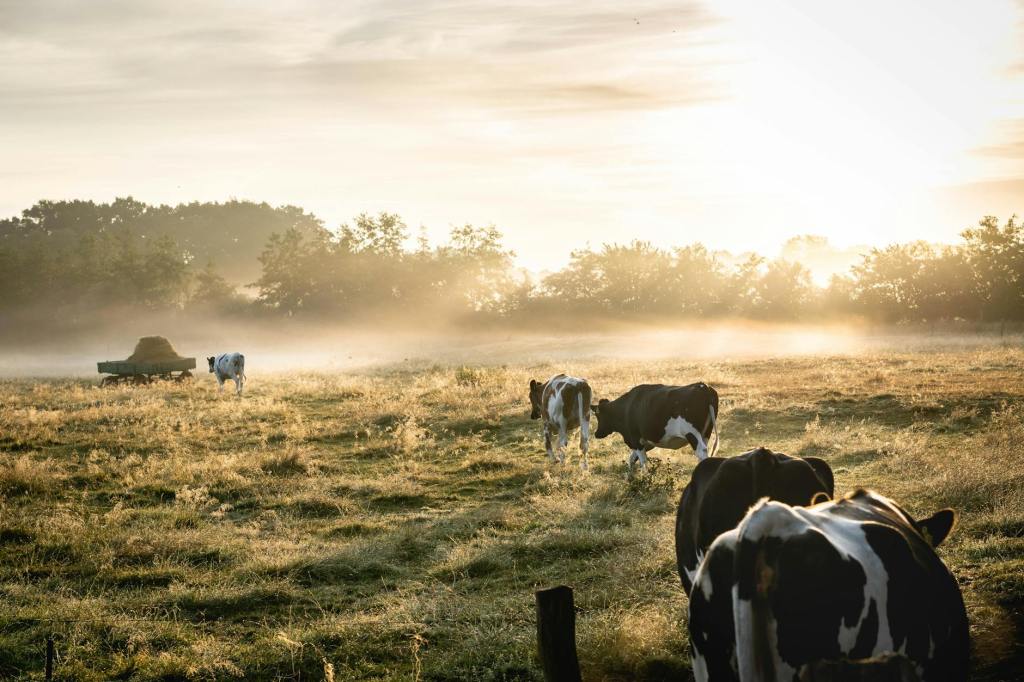
On a parallel front, the MPDF integrated dairy farm in Bay, Laguna, is poised to elevate local production of dairy products by an impressive 30,000 liters per day. With an ambitious aim of expanding local milk production capacity by 20%, the project strives to contribute significantly to the current 26.3 million liters produced locally.
“The project expands local milk production capacity by 20%, which currently stands at 26.3 million liters,” underscores the BOI, emphasizing the project’s pivotal role in replacing imported milk with high-quality locally produced dairy products.
The construction of the 22-hectare vegetable greenhouse complex in Bulacan began on February 20, demonstrating MPIC’s swift response to rising vegetable prices and inflationary pressures arising from supply issues. With an eye on the commercial launch by the fourth quarter of the next year, MPFF is poised to set new standards in sustainable and large-scale vegetable farming.
Simultaneously, the MPDF dairy farm in Bay, Laguna, is on track for commercial operation in the first quarter of 2025. This visionary project marks a substantial step towards enhancing the country’s self-sufficiency in dairy production and diminishing reliance on imported dairy products.◼



 Business Bayani PH
Leave a comment