
Key takeaways:
- The Philippines aims to achieve energy self-sufficiency by 2030 due to concerns about energy insecurity caused by various factors, including environmental degradation and reliance on fossil fuels.
- To achieve this goal, the government plans to increase the share of renewable energy to 35% by 2030, implement energy efficiency measures, and offer incentives to the private sector to invest in renewable energy.
- Challenges include a lack of renewable energy equipment, grid integration issues, political instability, and bureaucratic obstacles. These challenges require strategic planning and private sector involvement.
- Despite challenges, progress has been made, with increased renewable energy capacity and significant private sector investments in renewable projects. Technology innovations like battery storage and smart grids are also contributing to energy self-sufficiency efforts.
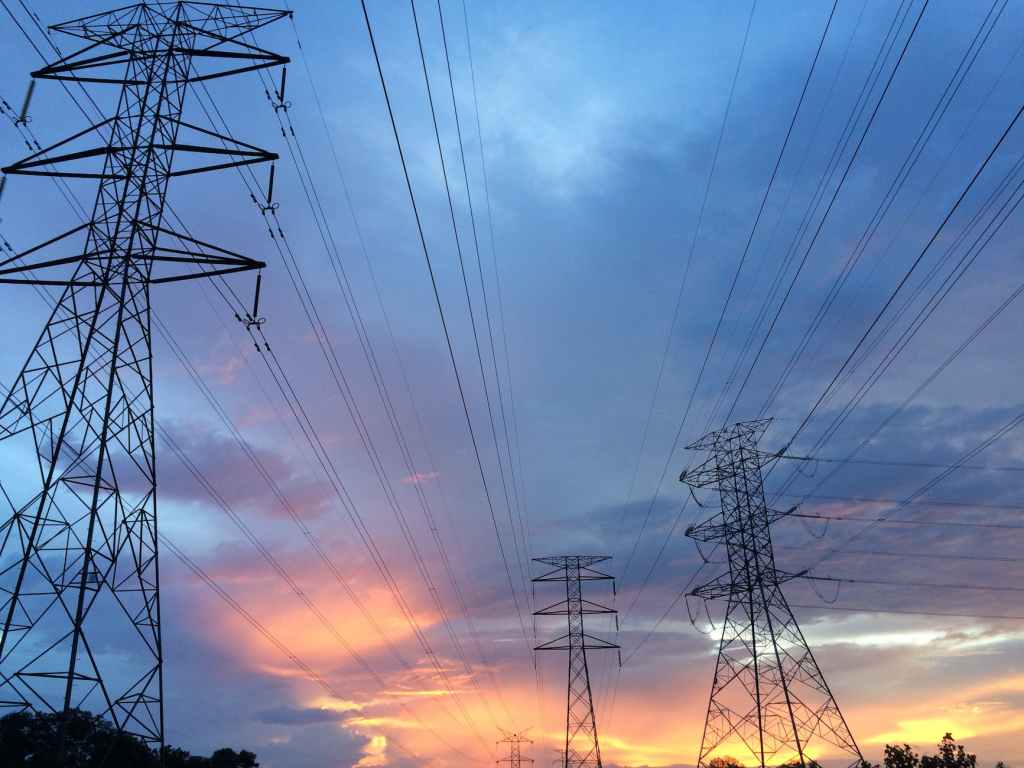
In recent years, the Philippines has been experiencing energy insecurity due to various reasons, including natural disasters, political instability, and a lack of investment in the energy sector.
Energy insecurity has adverse effects on the economy, environment, and social welfare. Thus, it is no surprise that the Philippine government is striving to attain energy self-sufficiency by 2030. But what does this mean, and how does the government plan to accomplish this ambitious goal?
Background on the PH Energy Sector
The Philippines’ energy mix consists mainly of coal, oil, and natural gas, accounting for over 70% of the total energy supply. Electricity generation in the country is dependent on fossil fuels, with coal being the primary source, followed by natural gas and oil.
While these sources have contributed to economic growth, they have also resulted in environmental degradation, negative health consequences from air pollution, and a heavy reliance on foreign energy sources.
Despite having abundant renewable energy resources such as geothermal, hydropower, solar, and wind, renewable energy only accounts for about 24% of the total energy mix.
One reason for this imbalance is the inadequate infrastructure, lack of incentives, and lack of government support for renewable energy. As a result, the government has recognized the need to increase the share of renewable energy in the energy mix to achieve energy self-sufficiency by 2030.
The Government’s Plan for Achieving Energy Self-Sufficiency
The Philippine Energy Plan 2018-2040 outlines strategies and programs to achieve sustainability and energy security. The primary objective is to increase the share of renewable energy to 35% by 2030, a significant shift from the current situation.
The plan also entails prioritizing energy efficiency measures, such as improving electricity transmission and distribution, demand-side management, and enhancing energy conservation. It has since been updated to the Philippine Energy Plan 2020-2040.
The government’s strategy for promoting renewable energy includes exploring geothermal energy potential, increasing solar and wind power installations, and investing in hydroelectric power plants.
In addition, the government has provided various incentives, including tax breaks, renewable energy credits, and feed-in tariffs, to encourage the private sector to invest in renewable energy. These incentives have resulted in a surge of renewable energy projects in the country, especially in solar and wind power.
Another crucial aspect of the government’s plan is to promote energy efficiency through building codes, energy labeling, and appliance standards. The Energy Efficiency and Conservation Act aims to reduce energy consumption through the adoption of energy-efficient technologies and practices.
The Challenges Ahead
Despite the government’s ambitious plan, several challenges remain that need to be overcome to achieve energy self-sufficiency.
- First, the country has an insufficient supply of renewable energy equipment, such as solar panels and wind turbines, which are mostly imported. This has resulted in high installation costs and slowed down the development of renewable energy projects.
- Second, there are challenges in grid integration and energy distribution, particularly in remote areas with no access to the national grid. Building and improving infrastructure in these areas would require significant investment from the government and the private sector.
- Lastly, political instability, bureaucratic red tape, and corruption have been major obstacles to energy sector development. These issues have hindered private sector participation and foreign investment, which are crucial in accelerating the pace of the country’s energy transition.
Progress Towards Energy Self-Sufficiency
Despite these challenges, the Philippines has made significant progress in achieving energy self-sufficiency. According to the National Renewable Energy Board data, renewable energy capacity captured 25.64 percent of the generation mix in 2014, before going down to 25.44 percent in 2015 and 24.21 percent in 2016.
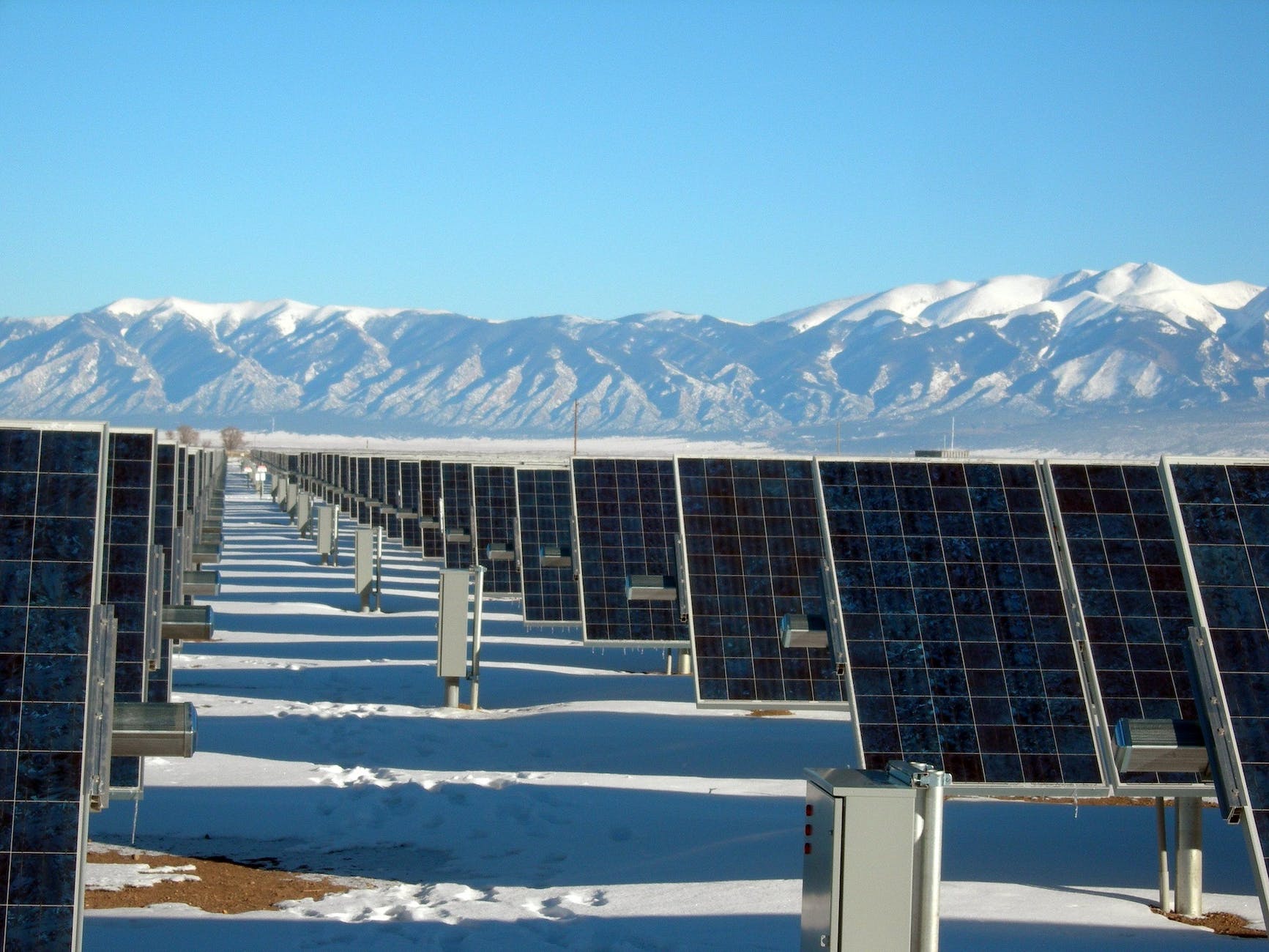
Photo by Pixabay on Pexels.com
The share of renewable energy in the mix improved slightly to 24.57 percent in 2017 but again declined to 23.38 percent in 2018 before going down to 21 percent in 2019. The figure slightly improved to about 22% in 2020, but the November 2021 data indicated it went down to 21%.
The government’s efforts to attract private sector investments in renewable energy have also paid off. In 2019, the Department of Energy approved 4,500 MW of solar, wind, and hydropower projects, with a total investment of approximately $6.2 billion. The Private-Public Partnership Center has also been designated as the lead agency for implementing public-private partnerships in the renewable energy sector.
The DOE’s recent pronouncements say the government will require at least $121 billion in investments in renewable energy between 2020 and 2040 to achieve the Clean Energy Scenario (CES).
Technology also plays a crucial role in achieving energy self-sufficiency. Innovations such as battery storage, smart grids, and blockchain are changing the way energy is produced and consumed. For instance, battery storage can provide backup power during power outages and address the intermittent nature of renewable energy.
Reinforcing the Energy-Economic Growth Exchange
Achieving energy self-sufficiency by 2030 is a daunting but necessary goal for the Philippines. While there are obstacles such as infrastructure limitations, high costs, and political instability, these challenges can be overcome with strategic planning, private sector participation, and government support.
The transition to renewable energy will not only improve energy security but also promote sustainable development and improve the quality of life in the country. Thus, it is an exciting time for the energy sector in the Philippines, and we should all be invested in the Philippines achieving this goal.◼


 Business Bayani PH
Leave a comment