
Key takeaways:
- Smallholder farmers, despite working on limited plots of land, are essential for ensuring food security in both rural and urban areas of the Philippines.
- These farmers play a crucial role in preserving biodiversity by cultivating diverse crops and raising various livestock.
- Smallholder farmers demonstrate remarkable resilience in dealing with challenges such as weather variability, market fluctuations, and resource constraints.
- Their farming activities significantly contribute to the local economy by generating income and employment opportunities in rural areas, thereby supporting economic growth and rural communities.
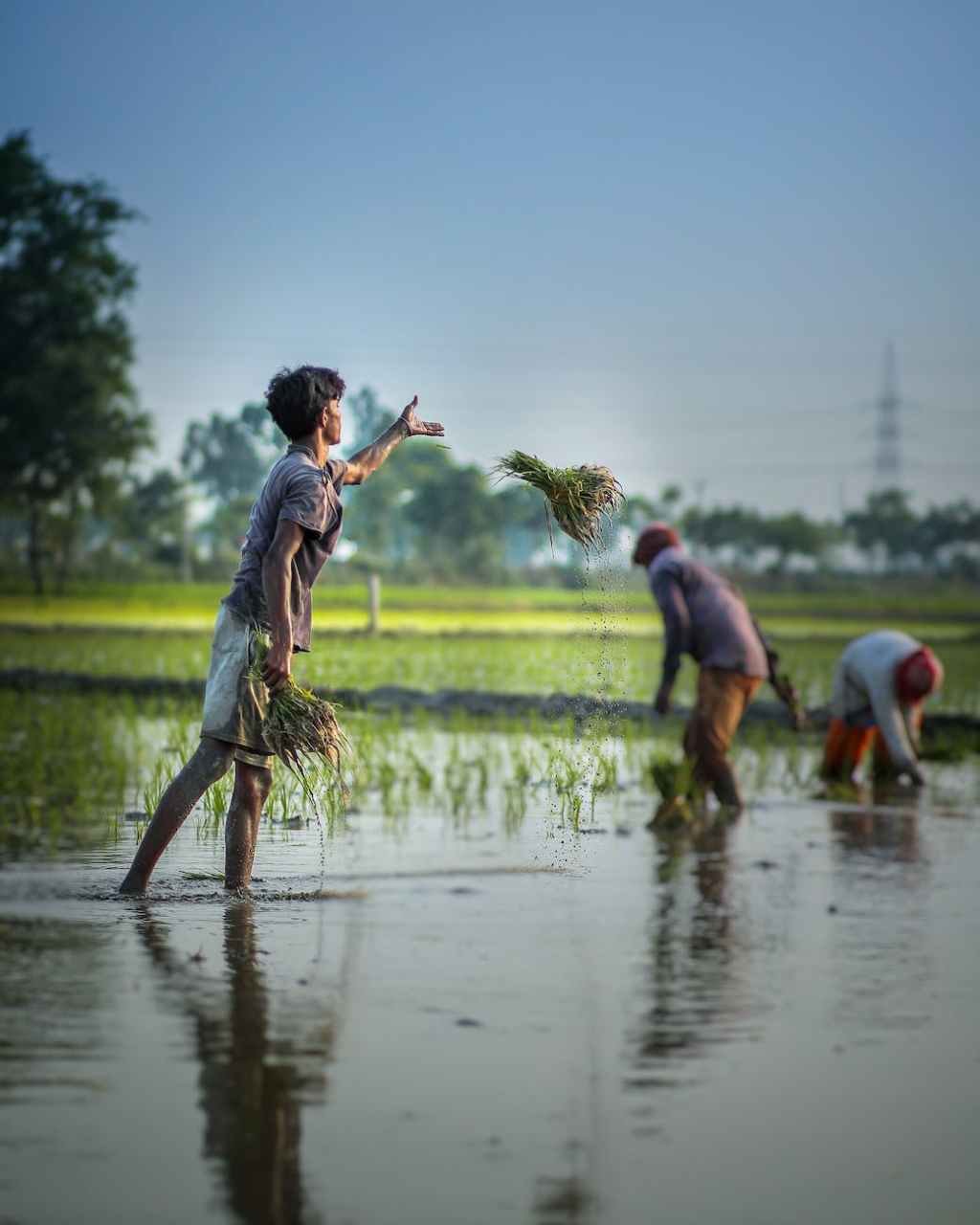
In the heart of the Philippines’ lush countryside, smallholder farmers toil tirelessly on their modest plots of land, nurturing crops and raising livestock. These unsung heroes play a vital role in the nation’s agricultural sector, contributing significantly to food security and local economies.
In this blog, we delve into the world of smallholder farmers in the Philippine setting, exploring their unique challenges, their unwavering resilience, and the importance of empowering them with resources and technology for sustainable farming practices.
The Backbone of Philippine Agriculture
Smallholder farmers form the backbone of Philippine agriculture, tending to smaller plots of land typically ranging from a fraction of a hectare to a few hectares. Despite their limited resources, they play a crucial role in ensuring food security for both rural and urban populations.
Nurturing biodiversity
Smallholder farmers embrace diversity, cultivating a wide range of crops and raising various livestock. Their diverse farming practices not only bolster food production but also preserve biodiversity and traditional knowledge.
Resilience in the face of challenges
Weather variability, market fluctuations, and resource constraints are just some of the challenges smallholder farmers confront. Yet, their unwavering resilience and adaptability allow them to withstand adversity and thrive in dynamic agricultural landscapes.
Strengthening local economies
Smallholder farmers contribute significantly to the local economy by generating income and creating employment opportunities in rural areas. Their farming activities stimulate economic growth and support rural communities.
Custodians of sustainable practices
With a close connection to the land, smallholder farmers often practice sustainable agriculture, preserving natural resources for future generations. Their deep understanding of the environment enables them to adopt eco-friendly farming methods.
Challenges Faced by Smallholder Farmers in the Philippines
Despite their immense contributions, smallholder farmers encounter various challenges that hinder their full potential and well-being. These are:
- Limited Access to Resources: Access to credit, modern technology, quality seeds, and fertilizers remains limited for smallholder farmers. This lack of resources can constrain their productivity and income generation.
- Post-Harvest Losses: Inadequate storage facilities and transportation infrastructure contribute to post-harvest losses, impacting farmers’ profitability and food availability.
- Climate Vulnerability: The Philippines’ susceptibility to climate change poses threats to smallholder farmers, with extreme weather events affecting crop yields and livelihoods.
- Market Access: Smallholder farmers may face challenges in accessing markets and obtaining fair prices for their produce, leading to income uncertainties.
Empowering Smallholder Farmers: Cultivating Prosperity
Empowering smallholder farmers with the right tools and resources is vital for enhancing their livelihoods and ensuring sustainable agriculture in the Philippines. The following tools can greatly help them:
- Access to Technology: Introducing agri-tech solutions tailored to smallholder farmers can boost productivity and efficiency. Mobile applications, precision farming, and IoT devices can help farmers make data-driven decisions and optimize resource use.
- Capacity Building: Providing training and workshops on modern farming techniques, financial literacy, and market access can equip smallholder farmers with the skills needed to thrive in an evolving agricultural landscape.
- Market Linkages: Establishing direct market linkages and supporting farmer cooperatives can enable smallholders to access larger markets, obtain fair prices for their produce, and reduce dependency on intermediaries.
- Infrastructure Development: Investing in rural infrastructure, such as storage facilities and farm-to-market roads, can minimize post-harvest losses and improve the efficiency of the agricultural supply chain.
Empower Smallholder Farmers for Sustainable Prosperity
Smallholder farmers in the Philippines epitomize resilience, sustenance, and environmental stewardship. Their unwavering commitment to agriculture sustains local communities, contributes to food security, and preserves precious biodiversity.
By empowering smallholder farmers with access to technology, capacity building, market linkages, and essential infrastructure, we can sow the seeds of sustainability and cultivate prosperity for both farmers and the nation as a whole.
Let us unite in supporting these unsung heroes and ensure that smallholder farmers continue to flourish, nourishing the Philippines and its people for generations to come.



 Business Bayani PH
Leave a comment