

Key takeaways:
- The article highlights the current inflation rate in the Philippines (5.5%) and emphasizes the importance of staying updated with reliable sources like the Bangko Sentral ng Pilipinas (BSP) or reputable news outlets to grasp the inflation situation.
- During inflation, it’s important to offer different types of products or services. This way, if the price of one goes up a lot, you still have other things to sell. Do market research to understand what your customers want and adjust your offerings accordingly to stay strong in tough times.
- The article provides insights into Filipino consumer behavior, emphasizing factors like brand loyalty, family-oriented purchasing, e-commerce, mobile shopping, cash payments, social media influence, value for money, gift-giving culture, and environmental and social consciousness, helping businesses tailor their strategies to meet consumer preferences and needs.
We get it—dealing with rising inflation is like riding a roller coaster without a seatbelt. It’s been a hot topic lately, and everyone’s trying to find ways to keep their businesses afloat while prices seem to be skyrocketing.
But fret not! In this blog post, we’ll tackle some smart strategies to help you cope with the inflation crunch and steer your business towards success even in these challenging times.
Understanding the Inflation Situation in the Philippines
Before we dive into the solutions, let’s get a grip on the current state of inflation in the Philippines. According to the latest data from the Bangko Sentral ng Pilipinas’s (BSP) Monetary Policy Report of May 2023, it estimates the average inflation rate to reach a whopping 5.5% this year. But remember, these numbers may change in the coming months, so it’s essential to stay updated with reliable sources like the BSP or reputable news outlets.
Inflation happens when the prices of goods and services increase over time, leading to a decrease in purchasing power. It affects not only individuals but also businesses, especially those run by hard-working entrepreneurs like you. But don’t worry; we’ve got seven practical tips to help you navigate these challenging waters.
1. Stay on Top of Your Finances
In times of rising inflation, it’s crucial to keep a close eye on your business’s financial health. Monitor your cash flow, expenses, and revenues diligently.
Investing in accounting software can be a lifesaver, helping you manage your finances efficiently. Don’t forget to review your pricing strategy regularly to ensure it aligns with changing market conditions and inflation rates.
2. Diversify Your Product Range
With prices fluctuating, it’s essential to diversify your product offerings. Consider incorporating complementary products or services into your offering. This way, even if the price of one product rises significantly, you’ll have other items to fall back on. Conduct market research to identify the demands and needs of your target audience and tailor your product range accordingly.
3. Build Strong Supplier Relationships
Inflation often impacts suppliers, leading to higher raw material costs and transportation expenses. To cope with this, establish strong relationships with your suppliers.
Communication is key. Talk to them about your concerns and explore opportunities for bulk purchases or long-term contracts at stable prices. Building trust can lead to more favorable terms and discounts, which will ultimately benefit your bottom line.
Suppliers can be your wingman (or wingwoman) when it comes to tackling the challenges of inflation. Building strong relationships with them is like having a superpower in your business toolkit! Here’s how these awesome suppliers can come to your rescue:
- Price Stability: When inflation strikes, prices for raw materials and transportation tend to go all over the place. But fear not! If you’ve got a solid bond with your suppliers, they might just help you lock in stable prices. That means less stress about sudden cost hikes and more focus on growing your business.
- Exclusive Deals and Discounts: A friendly relationship with your suppliers might open doors to exclusive deals and discounts. Who doesn’t love a good bargain? These special perks can save you some hard-earned cash and give your profit margins a little boost.
- Priority Access: Picture this: Your business is booming, and you need those essential supplies ASAP. Having a great rapport with your suppliers can put you on the VIP list, ensuring you get priority access to their goods and services. No more waiting in line; you’ll be first in line!
- Flexibility and Customization: Sometimes, you need a little something extra to make your products stand out from the crowd. A close relationship with your suppliers can lead to more flexibility and customization options. They’ll be more willing to work with you to create unique offerings that will dazzle your customers.
- Industry Insights: Suppliers are like seasoned travelers in the business world. They know the ins and outs of the industry and can share valuable insights with you. From the latest market trends to innovative solutions, their wisdom can help you make better-informed decisions.
- Collaboration Opportunities: Partnering with your suppliers can lead to exciting collaboration opportunities. Maybe you can co-create new products or embark on joint marketing campaigns. The possibilities are endless, and such partnerships can boost both your businesses.
- Problem-Solving Support: Running into a snag in your supply chain? Don’t worry! Your supplier-BFFs will have your back. A solid relationship means open communication, which makes it easier to solve problems together and keep your business running smoothly.
- Long-Term Stability: Building strong relationships with suppliers is like planting seeds for long-term stability. When you treat them well, they’re more likely to stick by your side through thick and thin. It all comes down to mutual trust and respect.
So, there you have it—suppliers can be your trusty sidekicks in the fight against inflation. Remember, it’s not just about the transactions; it’s about forging genuine connections with the people behind the products. Grow those relationships and watch your business thrive!
4. Embrace Digital Transformation
In the age of technology, going digital can save you both time and money. Consider adopting digital solutions like e-commerce platforms, cloud-based systems, and online payment gateways. By embracing digital transformation, you can reach a broader customer base, streamline your operations, and reduce overhead costs.
When it comes to online payment gateways in the Philippines, there are some fantastic options that can make your life easier and your customers happier. Let’s check out some of the best ones tailored for small businesses:
- PayPal: Ah, the classic and widely recognized PayPal! It’s a popular choice for both local and international transactions. With its user-friendly interface, you can easily send and receive payments, making it a great option for your small business’s needs.
- Dragonpay: This homegrown gem is perfect for Philippine-based businesses. Dragonpay supports various payment methods, including online banking, over-the-counter payments, and e-wallets, making it convenient for your diverse customer base.
- GCash: The Philippines’ well-loved e-wallet, GCash, is a game-changer for mobile transactions. It’s quick, secure, and super convenient for both you and your customers. Plus, it allows you to send and receive money hassle-free.
- Maya (formerly PayMaya): Similar to GCash, Maya is another popular e-wallet option that your customers will appreciate. It offers various payment methods and even provides a virtual card option, making it a versatile choice for your online business.
- Stripe: If your small business has plans to go beyond local borders, Stripe is an excellent choice. It supports international transactions and offers a smooth payment experience for your customers worldwide.
- PesoPay: As a locally grown payment gateway, PesoPay caters specifically to Philippine businesses. It supports various payment channels, including credit cards and debit cards, making it convenient for your customers to pay the way they prefer.
- PayMongo: A rising star in the Philippine payment gateway scene, PayMongo is gaining popularity for its user-friendly setup and robust features. It’s an excellent option for small businesses looking to start accepting online payments quickly.
- 2Checkout: With support for over 87 currencies and multiple payment methods, 2Checkout is a solid choice if you have an eye on international sales. It’s easy to integrate into your online store and provides a seamless payment experience.
- InstaPay: For small businesses that want to accept real-time bank transfers, InstaPay is worth considering. It’s an initiative of the Bangko Sentral ng Pilipinas, making it a reliable and secure option.
Remember, the best payment gateway for your small business depends on your specific needs and target audience. Consider factors like transaction fees, ease of use, customer support, and the range of payment methods supported when making your decision.
5. Offer Promotions and Loyalty Programs
During inflationary times, customers tend to become more price-conscious. To maintain their loyalty, entice them with promotions, discounts, and loyalty programs.
Reward your repeat customers and offer special deals to keep them coming back. This way, you can foster a sense of community around your brand, encouraging customer retention even in the face of higher prices.
6. Focus on Customer Education
As prices rise, consumers may become hesitant about spending. Take this opportunity to educate your customers about the value of your products and services.
Highlight how your offerings can address their needs and deliver tangible benefits, even in challenging economic times. An informed customer is more likely to understand and appreciate the worth of your products, reducing the impact of inflation on their buying decisions.
7. Monitor and Adapt to Market Trends
The business landscape is constantly evolving, and staying ahead of market trends is essential for survival. Keep a close eye on consumer behavior and industry shifts.
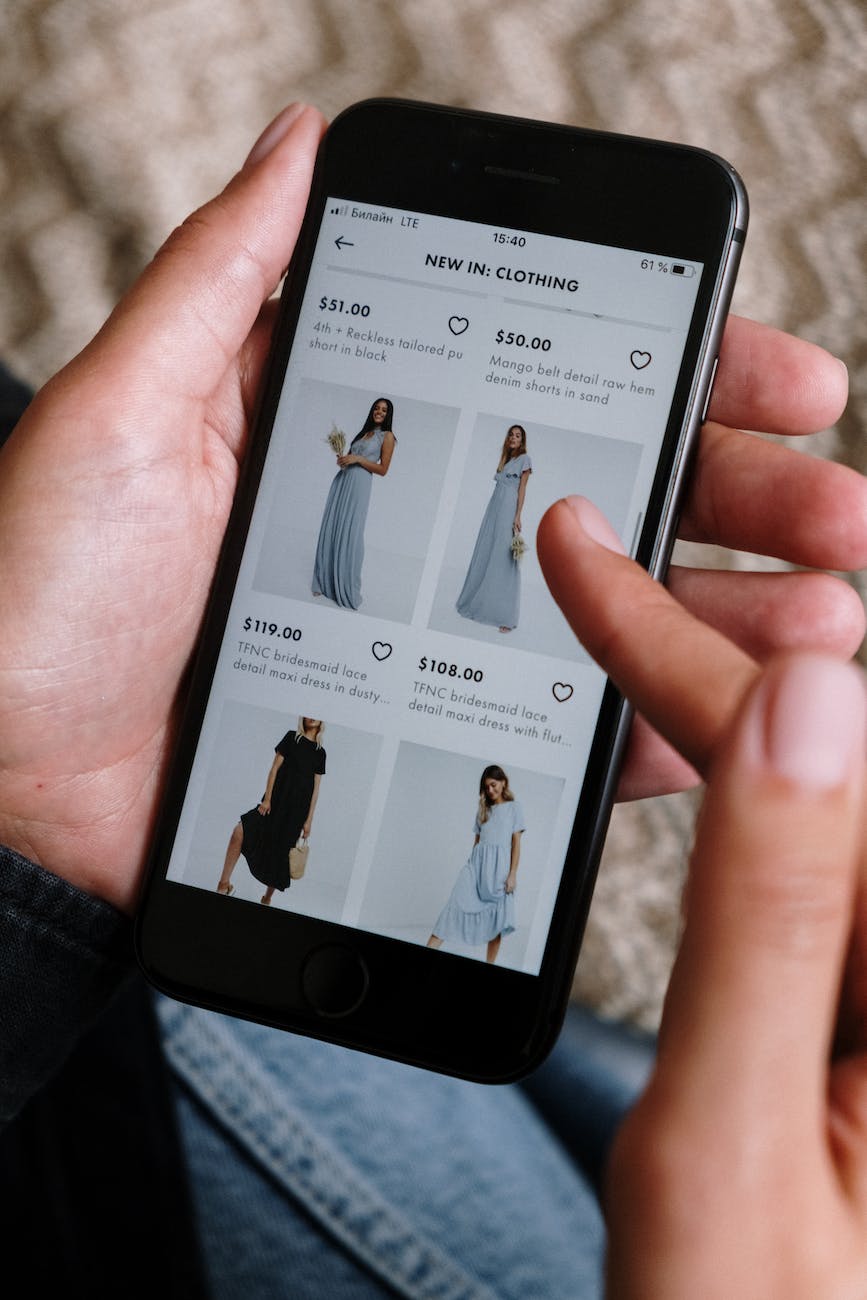
Evaluate the techniques of your competitors and learn from their triumphs and failures. Being proactive and adaptable will enable you to adjust your business approach according to changing market conditions.
A variety of factors influence consumer behavior in the Philippines, including culture, economic conditions, and technological advancements. Here are some notable facts about consumer behavior in the Philippines:
- Strong Brand Loyalty: Filipino consumers are known for their strong brand loyalty. Once they find a brand they trust and like, they tend to stick with it for the long haul.
- Family-Oriented Purchasing: Family plays a significant role in Filipino culture, and this extends to purchasing decisions. Many buying choices are influenced by the needs and preferences of the entire family. Brands that cater to family values and offer products that resonate with Filipino households tend to do well.
- Rise of E-Commerce: In recent years, e-commerce has experienced significant growth in the Philippines. The convenience of online shopping and the expansion of payment options have driven more consumers to embrace online retail. Small and large businesses alike are capitalizing on this trend to reach a broader customer base.
- Mobile Shopping: Filipinos are avid users of mobile devices, and this behavior extends to online shopping as well. Mobile commerce, or m-commerce, is gaining traction, and businesses that optimize their websites and payment gateways for mobile users have a competitive edge.
- Preference for Cash Payments: While the adoption of digital payments is increasing, cash remains the dominant payment method in the Philippines. Many consumers still prefer paying with cash on delivery (COD) for online purchases, especially for first-time transactions, due to security concerns.
- Influence of Social Media: Social media plays a massive role in shaping consumer behavior in the Philippines. Filipinos are active on various platforms, and they often turn to social media for product recommendations, reviews, and brand engagement. Having a strong social media presence is crucial for businesses looking to connect with Filipino consumers.
- Value for Money: Filipinos are generally price-sensitive and look for value in their purchases. They are keen on finding products that offer the best quality at reasonable prices. Businesses that can strike the right balance between quality and affordability are likely to succeed.
- Gift-Giving Culture: Filipinos have a strong tradition of gift-giving, especially during special occasions and holidays. Businesses can capitalize on this cultural norm by offering attractive promotions and gift-ready packaging during festive occasions.
- Influence of Celebrities and Influencers: Like in many countries, celebrities and influencers have a significant impact on consumer behavior in the Philippines. Endorsements and collaborations with well-known personalities can greatly influence purchasing decisions.
- Environmental and Social Consciousness: Increasingly, Filipino consumers are becoming more environmentally and socially conscious. Brands that demonstrate sustainability, ethical practices, and social responsibility are gaining popularity among conscious consumers.
Understanding these notable facts about consumer behavior in the Philippines can help businesses tailor their strategies to meet the unique preferences and needs of Filipino consumers. By adapting to these behaviors and preferences, businesses can foster deeper connections and build lasting relationships with their target audience.
Rise Above the Difficulties
Navigating through rising inflation can be tough, but as Filipino entrepreneurs, we’ve got resilience flowing through our veins! By staying financially savvy, diversifying our offerings, building strong relationships, embracing technology, and staying customer-focused, we can rise above the challenges and keep our businesses thriving.
Remember, the key is to be proactive and prepared. Keep yourself updated with current statistics from reliable sources like the Bangko Sentral ng Pilipinas and reputable news outlets. Stay connected with fellow entrepreneurs and industry experts to learn from each other’s experiences.
Together, we can tackle inflation head-on and steer our businesses towards success in any economic climate. So, let’s stay positive, keep hustling, and make our mark as Filipino entrepreneurs, no matter the odds!



 Business Bayani PH
Leave a comment