
In a determined effort to combat the persistent issue of marine plastic pollution, Japan has emerged as a key partner in supporting the Philippines’ fight against this environmental menace.
Economic Affairs Minister Nihei Daisuke of the Embassy of Japan in the Philippines played a pivotal role in highlighting Japan’s initiatives during the culmination event of the Healthy Oceans and Clean Cities Initiative (HOCCI) on September 15th.
HOCCI, a collaborative undertaking by UN-Habitat in the Philippines and the Government of Japan, aims to address the escalating concern surrounding marine plastic pollution, which poses grave threats to the environment, marine ecosystems, and public health.
Despite achieving commendable trash collection rates, the Philippines ranks as the world’s third-largest contributor to marine litter.
Japan’s unwavering commitment to this endeavor was evident through its substantial financial support of $3 million for the project, which spanned three and a half years, from April 2020 to September 2023.
The project’s initial phase piloted in six key cities across the Philippines: Cagayan de Oro, Calapan, Davao, Legazpi, Manila, and Ormoc.
The centerpiece of Japan’s involvement in the HOCCI initiative lies in its profound impact on empowering local authorities to tackle marine plastic litter at its source.
The project’s primary objective was to bolster governance structures and enhance the capacity of local governments to implement the National Plan of Action for Marine Litter (NPOA-ML) at the city level.
This approach aimed to ensure that strategies for combating marine litter were not only effective but also tailored to the specific needs and challenges faced by each partner city.
One of the most significant takeaways from the project was the successful localization of the NPOA-ML into City Plans of Action for Marine Litter (CPOA-ML).
This localization approach ensured that anti-litter strategies were seamlessly integrated into the local context, making them more efficient and sustainable in the long run.
It was a testament to the collaborative efforts of Japan and the Philippines to find solutions that were not just theoretical but practical and adaptable.
During the closing event of HOCCI, Minister Nihei highlighted the vital role of technology and digital transformation in the fight against marine litter.
Partner cities explored innovative approaches, including the integration of digitization into plastic waste diversion.
These modern solutions aimed to streamline waste management processes, increase efficiency, and reduce the overall environmental impact.
Another significant achievement of the HOCCI initiative was the emphasis on Extended Producer Responsibility (EPR). Local government units were prepared and empowered to hold manufacturers accountable for the products they introduced into the market.
This shift towards EPR represents a significant step in addressing the root causes of marine plastic pollution and creating a more sustainable approach to product life cycles.
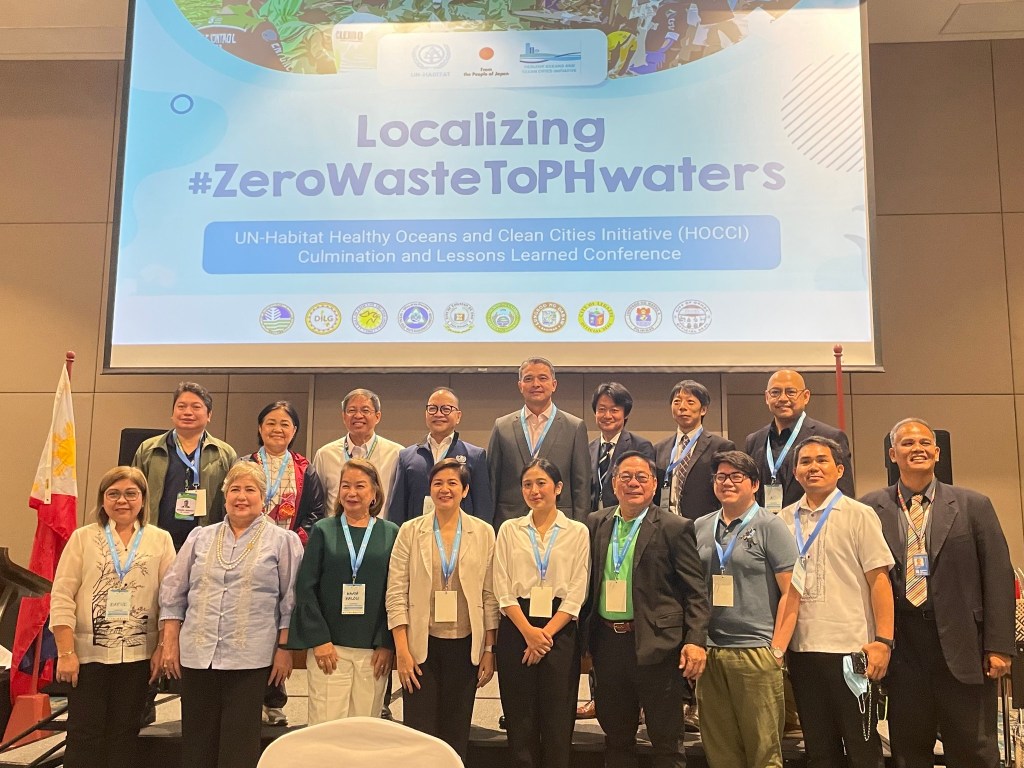
Minister Nihei’s address underscored the importance of Japan’s collaboration with the Philippines in tackling marine litter. The lessons learned, experiences gained, and accomplishments achieved during the implementation of HOCCI have far-reaching implications.
Japan’s commitment to the project has not only empowered partner cities in the Philippines but also sets a remarkable example of international cooperation in the fight against a global environmental crisis.
Japan’s role in the HOCCI initiative is not just about financial support; it signifies a deep-rooted commitment to finding practical solutions to one of the most pressing challenges of our time.
By empowering local authorities, integrating technology, and promoting accountability in the production chain, Japan has become a key ally in the Philippines’ quest to reduce marine litter and its devastating impact on oceans and communities.
As the world continues to grapple with the consequences of marine plastic pollution, Japan takes the lead in the Philippines, serving as a shining example of proactive collaboration and effective action.
The fight against marine litter is far from over, but with committed partners like Japan, there is hope for cleaner oceans and healthier communities.



 Business Bayani PH
Leave a comment