
Today, we’re diving into a topic that’s as buzzing as the latest tech gadget release. Get ready because in this article, we’re not just scratching the surface; we’re digging deep into the core trust issues surrounding your electronics and gadgets business.
Whether you’re steering a startup or a big player in the Philippines’ business landscape, this insight-packed piece is your compass to navigate the choppy waters of consumer trust.
Trust—The Golden Currency
Alright, let’s get real for a moment. Trust is not just a warm fuzzy feeling; it’s the currency that runs your business world.
From the moment your potential customers lay eyes on your product, a judgment call is made—is it legit or a knockoff? And trust me, my friend, that first impression can make or break a sale.
In the Philippines, just like anywhere else, consumers want the real deal. According to a survey by Nielsen, more than half of Filipino consumers are willing to pay more for genuine electronics and gadgets.
That’s not a statistic to ignore! After all, the revenue of the country’s consumer electronics market has been forecast to grow between 2023 and 2028 by $98.8 million.
People aren’t just buying your product; they’re buying the promise that it’ll perform as advertised.
The Shady Side: Counterfeit Culprits
Ah, counterfeit products—the thorn in the side of honest businesses everywhere. In the world of electronics and gadgets, fakes and knockoffs are as common as pop-up ads. These deceitful duplicates not only undermine your brand but also tarnish the customer experience.
Let’s talk numbers. A report by the International Chamber of Commerce estimates that the global economic value of counterfeit and pirated products could reach a whopping $4.2 trillion by 2022.
Yep, you read that right—trillion with a “t.” Now, imagine how much of that chunk could be coming from the electronics and gadgets sector.
The Etude House vs. Lazada Philippines Case: A Brief Recap
Back in 2015, the popular South Korean beauty brand, Etude House, found itself embroiled in a legal tussle with Lazada Philippines, a prominent online shopping platform.
The bone of contention? Counterfeit products are being sold on Lazada’s platform under the Etude House brand name.
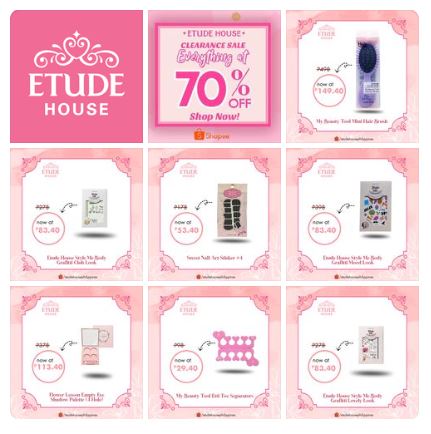
Etude House, like many other reputable brands, was concerned about the detrimental effects counterfeit products could have on its brand image and customer trust.
They alleged that Lazada Philippines was allowing third-party sellers to list fake Etude House products on its platform, thereby damaging the reputation of the authentic products and deceiving customers.
The legal basis of the charges
The charges brought by Etude House were likely based on a combination of intellectual property and consumer protection laws. Intellectual property laws, including trademark and copyright laws, play a significant role in cases involving counterfeit products.
Etude House’s trademarks were potentially being infringed upon by the sale of fake products bearing their brand name. In addition, consumer protection laws could have been invoked, as customers were being misled into purchasing products they believed to be genuine.
In such cases, brands often argue that the platform hosting the counterfeit products has a responsibility to prevent and take down such listings.
This is where the legal battle gets interesting—determining the extent of the platform’s liability for products listed by third-party sellers.
Responsibility of e-commerce platforms
According to the Intellectual Property Code of the Philippines, anyone selling items with a registered trademark owned by another party without their permission can be held accountable for trademark infringement.
For instance, an individual operating an Instagram account selling fake products could face charges for infringement. However, when it comes to online shopping platforms, assigning responsibility can be complex.
Numerous platforms evade liability by asserting that they function as mere intermediaries, facilitating interactions between sellers and buyers.
It’s important to note that cases like Etude House vs. Lazada Philippines often lead to increased awareness about the issue of counterfeit products and may prompt online platforms to enhance their efforts in preventing the sale of fake items.
Online retail selling platforms have a vested interest in maintaining a trustworthy marketplace to retain both consumers’ and brands’ confidence.
Takeaways for businesses
The Etude House vs. Lazada Philippines case serves as a valuable lesson for businesses, especially those operating in the e-commerce landscape. It underscores the importance of proactive measures to safeguard brand reputation and customer trust.
Brands must remain vigilant in monitoring the platforms where their products are sold, and platforms must implement strict measures to prevent the listing and sale of counterfeit items.
Counterfeit cases like this also highlight the evolving nature of online commerce and the need for clear regulations that define the responsibilities and liabilities of both online marketplaces and third-party sellers.
These regulations aim to strike a balance between consumer protection, brand rights, and the growth of e-commerce.
Remember, staying informed about such cases and the evolving legal landscape is essential for businesses to adapt and protect their interests in the dynamic world of online commerce.
Building Genuine Trust
So, how do you earn trust in a world plagued by counterfeits? Here comes the wisdom you’ve been waiting for.
1. Rock-solid supply chains
Start from the source. A transparent and well-monitored supply chain not only ensures your products are the real McCoy but also showcases your commitment to quality.
Leverage blockchain technology, if you can, to create an immutable record of your products’ journey from factory to consumer.
2. Crystal-clear communication
No one likes vague statements. Communicate openly about your product’s origin, manufacturing process, and quality standards. It’s like telling your customers, “Hey, we’ve got nothing to hide.”

3. Epic customer service
When things go wrong—and they sometimes do—exceptional customer service can save the day. Respond promptly, resolve issues with a smile (even if it’s over the phone), and show your customers that their happiness is your top priority.
Fun Fact Break: According to the International Data Corporation’s (IDC) Quarterly Mobile Phone Tracker, the smartphone market in the Philippines fell 8.6% year on year (YoY), with 16.3 million units shipped in 2022.
Combating Counterfeits Head-On
It’s not enough to just play defense; sometimes, you need to go on the offense against counterfeits. Here’s what you should do:
- Educate and Empower: Teach your customers how to spot fakes. Create informative content—videos, infographics, blog posts—that highlights the key differences between genuine and counterfeit products. This not only safeguards your customers but also positions your brand as an industry authority.
- Implement Anticounterfeit Tech: Embrace technology to fight technology. Incorporate QR codes, holograms, or NFC tags on your products. These tech-savvy solutions not only help customers verify authenticity but also add a touch of modernity to your products.
- Move that Legal Muscle: Don’t be afraid to flex those legal muscles when necessary. Pursue legal action against counterfeiters to send a strong message that you won’t tolerate deception.
Trust is Your North Star
To sum it up, trust is your most valuable asset. In the vibrant world of electronics and gadget retail, where competition is as fierce as a CPU cooling fan, distinguishing yourself as a provider of genuine products is your ticket to success.
It’s more than just selling; it’s about delivering on your promises and forging lasting relationships.
Remember, whether you’re leading a startup or a corporate giant, the authenticity of your products directly impacts the authenticity of your brand.
So, don’t just sell gadgets—sell trust, and watch your business thrive in this tech-driven world.
FAQs:
1. How can I ensure that my electronics and gadget business is not associated with counterfeit products?
Ensuring your business’s reputation stays miles away from counterfeit products is crucial. Start by establishing a robust supply chain that allows you to trace your products’ journey from inception to the customer’s hands.
Embrace transparency by openly communicating about your product’s origin, manufacturing process, and quality standards. Leveraging modern technology like blockchain can add an extra layer of trust by creating an unalterable record of your product’s history.
2. What steps can I take to educate my customers about the difference between genuine and counterfeit products?
Educating your customers is key to helping them make informed choices. Create engaging and informative content such as videos, infographics, and blog posts that highlight the key differences between genuine and counterfeit products.
Teach them to identify signs like holograms, QR codes, and NFC tags that indicate authenticity. By becoming a reliable source of knowledge, you not only protect your customers but also position your brand as an industry authority.
3. How can I effectively combat counterfeit products on the market?
Fighting back against counterfeits requires a multi-pronged approach. Utilize modern technology to your advantage by incorporating anti-counterfeit measures like QR codes, holograms, and NFC tags on your products. These tools enable your customers to verify authenticity with a simple scan.
Moreover, consider taking legal action against counterfeiters to demonstrate that your brand is serious about maintaining its integrity. Remember, staying one step ahead of counterfeiters requires a combination of technology, education, and a strong commitment to genuine quality.



 Business Bayani PH
Leave a comment