

Business conferences are a great way to learn about new trends, technologies, and best practices in your industry. They also provide an excellent opportunity to network with like-minded professionals, build relationships, and explore potential partnerships and collaborations.
However, networking can be intimidating, especially if you’re new to the conference scene or don’t know many people in attendance.
In this blog post, we’ll provide tips and strategies for making the most of networking opportunities at business conferences.
We’ll highlight the importance of building strong connections and how it can lead to partnerships, collaborations, and future opportunities.
- Why Networking Is Important
- 7 Tips for Making Meaningful Connections
- How To Start a Conversation With Someone You Just Met at a Networking Event
- Conclusion
Why Networking Is Important
Networking is an essential part of professional development. It helps you build relationships with people who can help you achieve your goals, whether that’s finding a new job, expanding your business, or learning new skills.
Networking can also help you stay up-to-date with industry trends and best practices and provide you with new perspectives and ideas. By building a strong network, you can tap into a wealth of knowledge and resources that can help you succeed in your career.
Here are some valuable facts that highlight the importance of making a great first impression:
- Based on an AudienceProject research, 84% of users rely on LinkedIn to expand their professional network.
- One of the biggest reasons businesses participate in networking is to get customers. In B2B sales, over 40% of in-person meetings result in new customers.
- Eighty percent of B2B customers make decisions based on the experience they have with each other. This demonstrates how vital networking can be for the company.
- According to Forbes, the first 30 seconds of a conversation are the most important. This is the time to make a great first impression and establish a connection with the other person.
- According to Undercover Recruiter, people will meet dozens of others at networking events, so it’s your job to give them a reason to remember you.
Making a lasting impression at a business networking event is crucial for building professional relationships and opening doors to new opportunities.
By focusing on making a great first impression, dressing professionally, and giving people a reason to remember you, you can increase your chances of success at networking events.
The statistics and studies mentioned above highlight the importance of networking and making a great first impression in today’s business world.
7 Tips for Making Meaningful Connections
#1 Prepare in advance
Before attending a conference, research the speakers, attendees, and sponsors. Make a list of people you want to meet and learn more about. This will allow you to make the most of your visit and avoid missing out on any essential opportunities.
#2 Dress professionally
Dressing professionally can help you feel more confident and act more professionally while connecting with others. Even if the conference is virtual, dressing professionally can help you feel more engaged and focused.

Dressing professionally at business networking events is important to make a good impression and show that you take your career seriously. Here are some suggestions for acceptable attire:
- Research the dress code: Before attending the event, research the dress code. Some events may require business or professional attire, while others may be more casual. Wear appropriate attire for the occasion.
- Plan your outfit in advance: Plan your outfit at least a week before the event. This will give you time to find the right pieces and ensure that everything is clean and ready to wear. If you’re unsure about what to wear, reach out to the event host for guidance.
- Choose conservative clothing: When in doubt, choose conservative clothing. Avoid anything too revealing or flashy. Stick to neutral colors and classic styles that are appropriate for a professional setting.
- Wear comfortable shoes: Networking events can be long and require a lot of standing and walking. Make sure to wear comfortable shoes that are appropriate for the occasion. Avoid wearing sneakers or flip-flops.
- Accessorize appropriately: Accessories can add a touch of personality to your outfit, but make sure to keep them appropriate for the occasion. Avoid anything too flashy or distracting. Stick to simple, classic elements that go with your attire.
Dressing professionally at business networking events is important to make a good impression and show that you take your career seriously. By researching the dress code, planning your outfit, choosing conservative clothing, wearing comfortable shoes, and accessorizing appropriately, you can ensure that you look and feel your best at the event.
#3 Have an elevator pitch
An elevator pitch is a simple, compelling speech used to tell people about yourself and your company. It should be no longer than 30 seconds and should highlight your unique value proposition. Having an elevator pitch ready can help you make a strong first impression and start meaningful conversations.
Here’s a case study of a great elevator pitch.
John is a software engineer attending a tech conference. During a networking event, he meets a potential client who asks him what he does. John responds with his elevator pitch:
"Hi, I'm John, and I'm a software engineer. I specialize in developing custom software solutions for small and medium-sized businesses. My team and I work closely with our clients to understand their unique needs and develop software that helps them achieve their goals. Our solutions are scalable, secure, and user-friendly, and we pride ourselves on delivering projects on time and within budget."
John’s elevator pitch is effective because it:
- Clearly states his name and profession.
- Highlights his unique value proposition: developing custom software solutions for small and medium-sized businesses.
- Emphasizes his team’s approach: working closely with clients to understand their unique needs.
- Highlights the benefits of his solutions: scalability, security, and user-friendliness.
- Demonstrates his track record: delivering projects on time and within budget.
By using this elevator pitch, John can make a strong first impression and start a meaningful conversation with the potential client.
He has effectively communicated his expertise, approach, and value proposition, which can help him stand out from other software engineers at the conference.
A great elevator pitch can help you make a strong first impression and start meaningful conversations at networking events.
By highlighting your unique value proposition, approach, and track record, you can effectively communicate your expertise and stand out from the crowd.
#4 Be authentic
Be genuine, authentic, and true to yourself. People appreciate real and honest interactions. Don’t claim to be someone you aren’t or to know more than you do. Better yet, concentrate on making real connections based on common interests and beliefs.
#5 Network outside your comfort zone
Look for attendees from other businesses or backgrounds to help you broaden your professional network. Never restrict yourself to folks within your comfort zone.
Don’t limit yourself to folks you’re familiar with. Instead, look for opportunities to learn from people who have different perspectives and experiences.
#6 Take advantage of organized networking occasions
It’s typical for conferences to conduct structured networking meetings, like roundtable discussions, which provide a setting for business exchanges. These events can be a great way to meet new people and start meaningful conversations.
#7 Exchange business cards
Check your materials and ensure you have enough business cards to go around. Handing out business cards to people makes it easier for them to recall you and contact you later.
After the event, connect with the people you met. Following up is the most critical aspect of networking. Continue conversations with the folks you met. This can help to enhance your relationship and keep it strong.
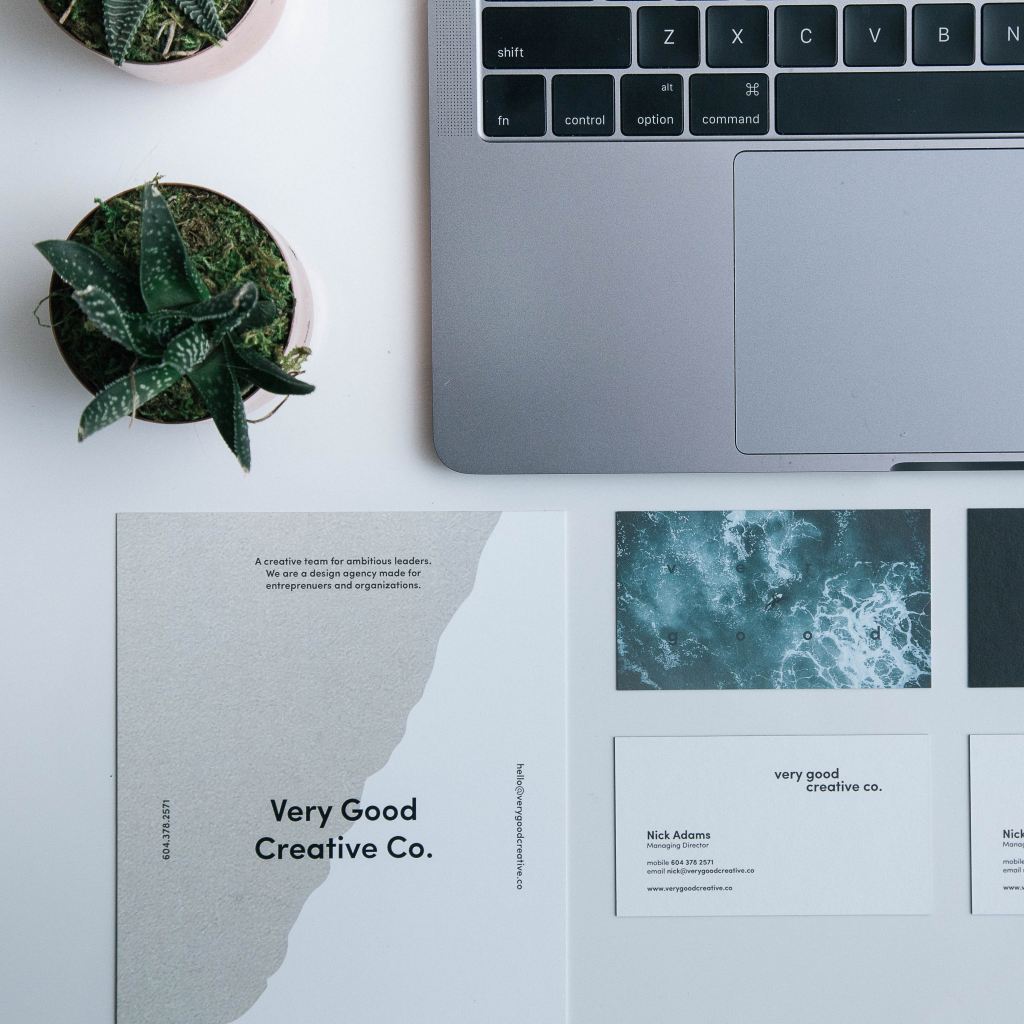
If your business card is well-designed, you have an essential means for making a great first impression and marketing your brand. Here are some tips on how to design an effective business card:
- Maintain simplicity: A disorganized business card might be distracting and difficult to read. Keep your design simple and clean to make the important information stand out.
- Reflect your brand: Choose a design that reflects your brand’s personality and values. Use hues, fonts, and pictures that match your brand’s identity.
- Choose the correct typeface: Use a readable, simple to understand font. Avoid using too many different fonts, as this can make your card look unprofessional.
- Include only what’s most important: Include only the most important information on your card, such as your name, title, company name, and contact details. Don’t clutter your card with unnecessary information.
- Use high-quality materials: Use something that will make your card stand out. Consider using thicker paper or adding a special finish, such as embossing or foil stamping.
- Consider the size and shape: Most business cards are rectangular, about the size of a credit card, and laid out horizontally. Because this form is in vogue, it’s a safe bet. But if you want to stand out, try using a different size or shape.
- Proofread carefully: Before printing your cards, proofread them carefully to ensure that there are no errors or typos. A mistake on your business card can make you look unprofessional.
A well-designed business card is an essential tool for making a great first impression and promoting your brand.
By keeping your design simple, reflecting your brand, choosing the right typeface, including only the most important information, using high-quality materials, considering the size and shape, and proofreading carefully, you can design an effective business card that will help you stand out from the crowd.
How To Start a Conversation With Someone You Just Met at a Networking Event
Starting a conversation with someone you just met at a networking event can be a bit nerve-wracking, but with the right approach, you can make a great impression. Here are some tips on how to start a conversation:
1. Introduce yourself
Walk up to the person and introduce yourself with a friendly smile and a firm handshake. Maintain clear eye contact and talk coherently.
2. Ask open-ended questions
Open-ended questions can be used to gather more information about the other person’s background, interests, and experiences. This might aid you to discover common ground to keep the conversation going. For example, you can ask about their role in their company or what brings them to the event.
3. Comment on the event or surroundings
Use the event or the surroundings as a conversation starter. You can comment on the keynote speaker, the venue, or any interesting activities happening at the event. This might help in breaking the ice and fostering a more relaxed environment.
4. Seek advice or opinions
Asking for advice or opinions can be a great way to engage someone in a conversation. It shows that you value their expertise and opinions. For example, you can ask for their thoughts on a recent industry trend or their recommendations for resources in your field.
5. Share a relevant experience or story
Sharing a relevant experience or story can help create a connection with the other person. It can be something related to the event, your industry, or a common interest. This can spark a conversation and make it more memorable.
6. Find common interests
Look for common interests or hobbies that you can discuss. This can help create a bond and make the conversation more enjoyable. For example, if you both enjoy hiking, you can ask about their favorite hiking spots or share your own experiences.
Remember, the key to starting a conversation is to be genuine, show interest in the other person, and actively listen to their responses. By using these tips, you can confidently approach someone at a networking event and start a meaningful conversation.
Conclusion
Networking is a critical part of professional development, and business conferences provide an excellent opportunity to build relationships and explore potential partnerships and collaborations.
By following these tips and strategies, you can make the most of networking opportunities at business conferences and unleash the power of networking.
Remember to be authentic, prepare in advance, and follow up with the people you meet. By doing so, you can build a strong network that can help you achieve your goals and succeed in your career.



 Business Bayani PH
Leave a comment