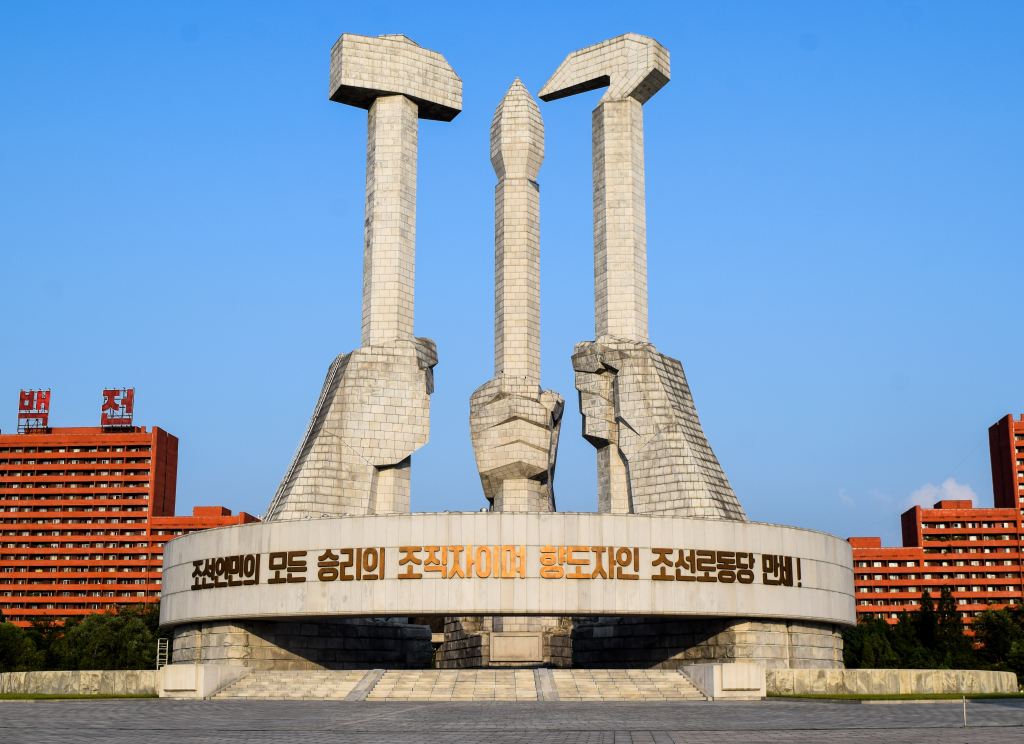
In a world fraught with intricate tapestries of political ideologies, economic strategies, and social landscapes, the case of North Korea stands as a stark testament to both the allure and perils of certain paths.
As we peer into the depths of history and observe the enigmatic trajectory of North Korea, a nation ensnared in its own web of choices, we find invaluable lessons that the Philippines, a nation with aspirations of economic and socio-political growth, would do well to heed.
The Illusion of Self-Reliance
The North Korean saga begins with the fervent embrace of the Juche ideology—the doctrine of self-reliance. With banners held high, they embarked on a path that seemed noble and self-empowering.
Juche is a political philosophy that founder Kim Il-sung introduced in North Korea in the 1950s. It’s the guiding principle of North Korea’s political, economic, and social system.
Yet, as the years unfolded, it became apparent that this doctrine carried within it the seeds of isolation and stagnation. The pursuit of complete self-reliance resulted in an economic system that was unaffected by international trends.
More on the Juche ideology
Trying to be completely self-sufficient ended up making the economy not care about what was happening in other countries. This is part of the Juche idea, which thinks that people control their own future and the government should focus on helping them.
Juche has a government that makes most of the decisions and controls what people do. People’s freedoms and rights come second to the country’s good. Juche likes to keep to itself, without much contact with the rest of the world. Science and technology are important to help the country’s economy grow.
Even though relying on yourself can be good, Juche has been criticized for not giving people enough freedom and focusing too much on one leader. Other countries and groups have also criticized North Korea’s government and how it treats people.
It’s not that we should stop relying on ourselves completely. The main idea is to find the right balance between independence and working with others. The Philippines, situated in a complex global network, can draw wisdom from this lesson.
While nurturing domestic industries is imperative, shutting the doors to international collaboration and trade can lead to missed opportunities. An example lies in the success story of South Korea, a nation that embraced global markets while fortifying its local industries.
Suppression of Information and Communication
In the heart of North Korea’s realm, a chilling narrative unfolds—the iron-fisted control over information. Media outlets are instruments of the state, disseminating propaganda in orchestrated symphonies. This tight grip on communication quashes innovation, intellectual growth, and societal evolution. Without an open exchange of ideas, progress withers.
The Philippines, on the contrary, stands as a beacon of press freedom in Asia. A vibrant democracy requires an informed citizenry, one that can engage in robust discussions and challenge the status quo. By nurturing a free press and ensuring access to diverse information, the Philippines can cultivate an environment conducive to creativity and progress.
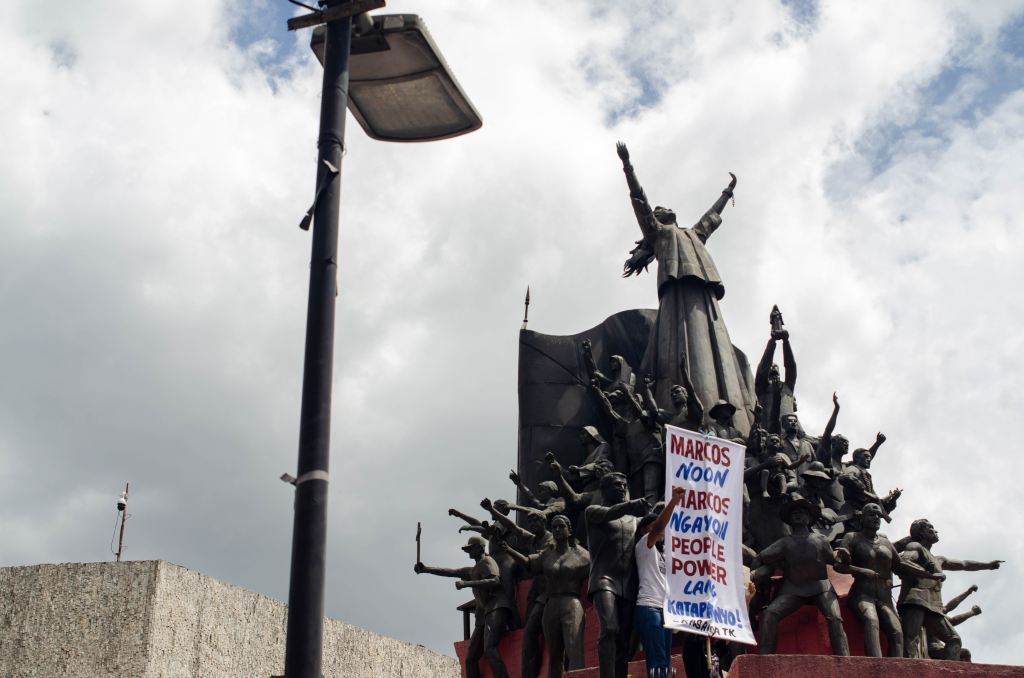
Case in Point: The Philippines’ role in the People Power Revolution of 1986, fueled by information sharing and mass mobilization
Human Rights Abuses and International Isolation
The haunting specter of human rights abuses looms over North Korea’s legacy. The world watches with a mixture of outrage and empathy as tales of oppression surface. These grim narratives shroud the nation in international isolation, hindering diplomatic ties and economic growth.
For the Philippines, human rights must be a cornerstone of its socio-political fabric. By upholding the dignity and rights of every citizen, the nation can bolster its global standing and foster trust with international partners. A poignant example is the case of Myanmar, where human rights violations have led to diplomatic censure and economic sanctions.
Militarization at the Expense of Development
North Korea’s unflinching dedication to military prowess has come at a steep cost—the sacrifice of essential sectors like healthcare, education, and social welfare. The staggering investment in the military might have diverted precious resources from avenues that could have propelled the nation’s development.
For the Philippines, the lesson is clear: sustainable growth necessitates prudent allocation of resources. By channeling funds into sectors that uplift society, the nation can build a robust foundation for progress. Costa Rica serves as an illuminating example, having abolished its military in favor of investments in education and healthcare.
Lack of Diversification in the Economy
North Korea’s economic saga is emblematic of the perils of over-reliance on a narrow range of industries. By pinning their hopes on sectors like mining and agriculture, they left themselves vulnerable to global market fluctuations. The absence of diversification exposed them to the caprices of an ever-changing world.
Herein lies another lesson for the Philippines—a diversified economy is a resilient economy. By nurturing multiple sectors and embracing innovation, the nation can mitigate the impact of economic shocks. Malaysia’s success in diversifying its economy, transitioning from agriculture to manufacturing and services, serves as an inspiring case.
Centralized Leadership and Lack of Checks and Balances
In the heart of North Korea’s governance structure lies a singular power, a concentrated authority that leaves little room for checks and balances. The consequences are evident—policy decisions become insular, and economic planning is devoid of diverse perspectives.
For the Philippines, the lesson is profound: democratic institutions are the bedrock of a thriving nation. By fostering separation of powers and accountability, the nation can avoid the pitfalls of authoritarianism. The fall of Zimbabwe’s economy under a centralized regime serves as a cautionary tale.
The Role of International Diplomacy
North Korea’s strained relations with neighboring nations have cast a shadow on their economic prospects. The web of sanctions and restricted trade opportunities has throttled growth and perpetuated isolation.
The Philippines can take inspiration from the power of diplomacy. By nurturing positive relations with neighboring countries and the international community, the nation can unlock doors to economic opportunities. The European Union’s diplomacy-driven expansion offers insights into the potential benefits of harmonious relations.
Neglecting Social Welfare and Development
In North Korea’s struggle, a dire picture emerges—inadequate social support systems that have left the populace grappling with healthcare and education challenges. A society’s progress hinges on the well-being of its citizens.
For the Philippines, investment in social welfare is an investment in human capital. By providing accessible healthcare and quality education, the nation can cultivate a productive and empowered workforce. The success of Chile’s social policies, particularly in reducing poverty rates, exemplifies the impact of robust social welfare programs.
The Philippines’ investment in human capital
Here are some of the Philippines’ most recent national programs for social welfare:
- Pantawid Pamilyang Pilipino Program (4Ps) – This program is a conditional cash transfer program aimed at addressing poverty among the most vulnerable Filipino families. It provides financial assistance to eligible households in exchange for their compliance with certain conditions, such as sending children to school and regular health check-ups.
- Universal Health Care Law – The Universal Health Care Law aims to provide all Filipinos with access to quality and affordable health care without suffering financial hardship. It covers all medical and dental services, as well as preventive and promotional health services.
- Sustainable Livelihood Program (SLP) – This program aims to provide livelihood opportunities and skills training to marginalized Filipino families, including those living in poverty, those affected by calamities, and those living in conflict-affected areas.
- Social Pension Program – This program provides a monthly stipend to indigent senior citizens who are 60 years of age and older and who do not have regular sources of income.
- K-12 Program – The K-12 Program is a comprehensive educational reform that aims to improve the quality of basic education in the Philippines. It includes an additional two years of schooling to help students acquire sufficient knowledge and skills for higher education or employment.
These programs are part of the government’s efforts to address poverty and promote inclusive growth in the country.
The Importance of Openness to Reform
North Korea’s government doesn’t like new ideas from other countries, so they haven’t been able to grow and change as much as they could have.
The Philippines can take a different path by being open to new ideas and changing what it’s doing when it needs to. China’s leader, Deng Xiaoping, did this with their economy, and it worked out really well.
Conclusion: A Roadmap for Progress
The Philippines has a choice in how it wants to develop. It can diversify its economy, make sure human rights are protected, have a strong democracy, and work with other countries. These things can help the nation grow in a way that lasts.
Its people should remember the lessons from North Korea and use them to guide its decisions. By doing this, the country can avoid getting stuck and keep moving forward. Everyone can learn from others’ mistakes and use that wisdom to improve.


 Business Bayani PH
Leave a comment